Commercial Foundation Repair in Austin, TX
Commercial foundation repair is the specialized process of stabilizing and restoring the structural integrity of foundations beneath business properties, warehouses, retail spaces, and office buildings. In Austin, TX, the expansive Taylor Black Clay soil creates unique challenges for commercial properties, where the sheer size and weight distribution of business structures make foundation issues particularly complex and costly. Hydepark Foundation Repair specializes in commercial foundation repair throughout Austin, with extensive experience serving properties from downtown’s high-rise district to warehouse facilities in East Austin, retail centers in Mueller, and office parks in North Burnet. Our family-owned company understands that commercial foundation problems aren’t just structural issues—they’re threats to business operations, tenant satisfaction, and property values. Whether you manage a single-tenant retail building in Hyde Park or a multi-tenant office complex in Sunset Valley, Austin’s challenging soil conditions demand commercial foundation solutions designed specifically for our region’s geological realities.
Get Your Free Quote Now
Understanding Commercial Foundation Systems
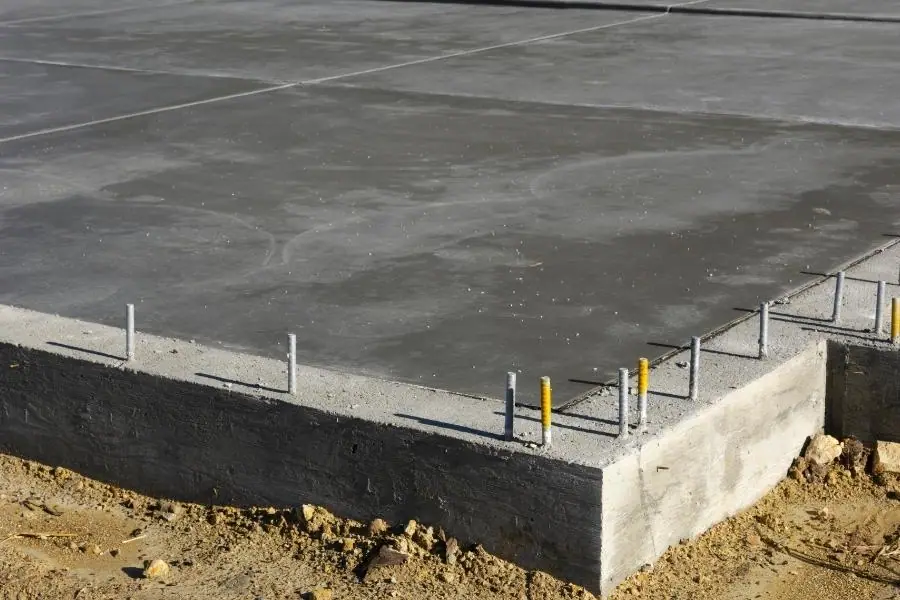
Commercial foundations differ fundamentally from residential structures in their engineering requirements, load distribution, and construction methodology. While residential foundations typically support 2,000-4,000 square feet and relatively uniform loads, commercial buildings often span 10,000-100,000+ square feet with dramatically varying weight concentrations—from heavy equipment in warehouse corners to column loads exceeding 50,000 pounds in multi-story office buildings.
In Austin, commercial construction evolved alongside the city’s economic growth phases. Post-World War II warehouse districts in East Austin (1950s-1970s) predominantly feature shallow slab-on-grade foundations, often poured just 12-18 inches deep—barely adequate for Taylor Black Clay’s 10-15 foot active zone. The tech boom of the 1980s-1990s brought tilt-wall construction and deeper pier-and-grade-beam systems to North Austin’s office corridors, while recent development in Mueller and East Riverside emphasizes post-tensioned slabs designed to resist clay movement.
Read moreShow less
Today, approximately 65% of Austin’s commercial building stock predates modern deep foundation requirements established after engineers better understood Blackland Prairie clay behavior in the 1980s. Properties built before 1985 particularly in Hyde Park’s commercial corridors, Old West Austin retail districts, and South Congress business areas frequently experience foundation issues because original construction didn’t account for the seasonal volume changes in our montmorillonite clay soil.
Commercial foundations serve multiple critical functions: distributing massive structural loads to stable soil depths, preventing differential settlement across large footprints, supporting concentrated column loads, and maintaining level floors essential for equipment, ADA compliance, and tenant operations. The engineering complexity increases with building size—a 50,000 square foot warehouse requires coordinated foundation support that responds uniformly to soil movement across its entire footprint, while a 20-story office building must transfer millions of pounds to bedrock 40-60 feet below the surface.
Why Austin Commercial Properties Need Foundation Repair
Austin’s commercial foundation challenges stem directly from our position on the Blackland Prairie, where Taylor Black Clay soil creates a perfect storm of conditions for structural movement. This highly expansive montmorillonite clay, which underlies approximately 70% of Austin’s commercial districts, exhibits swell potential exceeding 8%—meaning a 10-foot column of clay can expand more than 9 inches when saturated and shrink nearly the same amount during drought.
The Taylor Black Clay Cycle and Commercial Building Stress
Commercial properties experience foundation stress through Austin’s dramatic moisture cycles differently than residential structures. The 2011 Texas drought, which saw Lake Travis drop to just 37% capacity and summer temperatures exceed 100°F for 90 consecutive days, caused Taylor Black Clay to dessicate to unprecedented depths. Commercial buildings with large roof areas channeled thousands of gallons of stormwater away from foundations during this period, creating severe drying conditions. When the drought broke in 2015, the subsequent expansion generated upward pressures exceeding 5,000 pounds per square foot—enough to lift interior floor slabs, crack grade beams, and shift structural columns.
Read moreShow less
The physics work like this: Taylor Black Clay particles carry negative electrical charges that attract water molecules. During Austin’s typical summer drought (May-September), when we receive less than 2 inches of monthly rainfall and temperatures consistently exceed 95°F, water evaporates from the upper 8-12 feet of soil. The clay particles collapse together, reducing volume. A 40,000 square foot warehouse foundation might see the underlying soil shrink 4-6 inches vertically, but critically, this shrinkage occurs unevenly. The building’s interior remains relatively stable while edges exposed to sun and wind drying experience maximum shrinkage, creating differential settlement that stresses the foundation structure.
Properties in East Austin’s industrial corridor, where large concrete parking lots and minimal landscaping amplify heat island effects, experience particularly severe drying cycles. During the 2022-2023 drought, we documented warehouse foundations where exterior beam edges dropped 3.5 inches relative to interior supports over just 18 months.
Loading Dock and Slab Edge Settlement
Commercial properties face unique foundation vulnerabilities at loading docks, service entrances, and slab edges where heavy equipment traffic coincides with moisture exposure. Loading docks throughout Austin’s warehouse districts—from the Domain’s distribution facilities to industrial parks near Austin-Bergstrom International Airport—experience what engineers call “perimeter beam stress” where truck traffic compresses already shrinking edge soils.
The mechanism is cumulative: An 80,000-pound delivery truck pulling against a dock dozens of times daily generates cyclic loading that compacts edge soils beyond natural consolidation. Meanwhile, the large concrete apron and lack of vegetation near loading areas ensures maximum solar heating and moisture evaporation. During Austin’s summer, loading dock areas can experience soil temperatures exceeding 140°F at 12-inch depth, driving moisture content below 10%—well under the 25-30% moisture content where Taylor Black Clay maintains stability.
We regularly see 2-4 inch settlement at loading docks in facilities less than 15 years old, particularly in Pflugerville’s distribution centers and Buda’s warehouse developments where rapid construction in the 2010s didn’t adequately account for edge support. This settlement creates dangerous gaps between dock plates and truck beds, threatens forklift safety, and can force operational shutdowns during busy seasons.
Interior Column Settlement in Multi-Tenant Buildings
Large commercial structures in Austin face differential settlement challenges that residential properties never encounter. A 30,000 square foot retail center or office building might have 12-20 interior columns, each carrying 30,000-60,000 pounds of structural load. These point loads compress underlying clay more than adjacent areas, but Austin’s clay creates an additional problem: moisture varies beneath the slab based on distance from edges and plumbing penetrations.
Consider a typical office building in North Burnet built in 1985: Interior columns rest on 24-inch diameter piers, theoretically extending to stable soil. However, investigation reveals many piers stopped at just 8-10 feet—well within Taylor Black Clay’s active zone that extends 12-15 feet deep in North Austin. During the 2011 drought, these piers settled as supporting clay shrank, but settlement occurred unevenly. Columns near restrooms, where minor plumbing leaks maintained some soil moisture, settled less than columns in dry zones. The result: floor slopes creating ADA violations, door binding, and cracked demising walls between tenant spaces.
In downtown Austin’s older commercial stock, particularly buildings in the Warehouse District and East 6th Street, we find even more problematic conditions. These structures often feature unreinforced concrete piers poured directly against excavated holes—no bells, no reinforcement. The 2021 winter storm, which saw temperatures reach 0°F and froze soil moisture to 18-inch depths, fractured many of these piers through freeze-thaw action, leading to sudden settlements in spring 2021 as thawed clay compressed around damaged piers.
Warehouse Floor Unevenness Affecting Operations
Manufacturing and distribution facilities face business-critical foundation problems when floor slabs develop unevenness exceeding industrial equipment tolerances. Modern forklifts require floor flatness within 1/8 inch over 10 feet to operate safely and efficiently. Automated guided vehicles (AGVs) and robotics demand even tighter tolerances. Yet Austin’s clay soil movements routinely create differential settlements exceeding these specifications.
The problem manifests differently across Austin’s geography. In eastern Travis County’s warehouse districts, where Taylor Black Clay is deepest and most expansive, interior floor slabs commonly develop ridge-and-valley patterns as clay expands beneath moisture sources (HVAC condensate, restroom groups) while adjacent areas settle. A 100,000 square foot distribution center might develop 10-15 distinct settlement zones, each differing by 1-3 inches in elevation.
Cold storage facilities and restaurants with walk-in freezers face accelerated foundation problems. The temperature differential between a -10°F freezer floor and surrounding 70°F spaces creates a moisture migration zone where water molecules move toward the cold source. Over years, this moisture accumulation causes localized clay expansion, lifting freezer floors 2-4 inches above surrounding slabs—creating dangerous trip hazards and equipment stress.
Free, no-obligation estimates
Talk to Hydepark Foundation Repair
Tell us what you need and we’ll take it from there.
Signs You Need Commercial Foundation Repair
Severe Interior Indicators:
- Floor slopes exceeding 1 inch over 20 feet, measured with a builder’s level
- Doors binding or gaps widening between door tops and frames
- Cracks in floor slabs wider than 1/4 inch or exhibiting vertical displacement
- Column bases showing gaps or separating from floor slabs
- Interior walls cracking at 45-degree angles from corners (shear stress indicators)
Critical Exterior Warning Signs:
- Loading dock separation from building—gaps exceeding 1 inch
- Exterior walls showing stair-step cracking in mortar joints
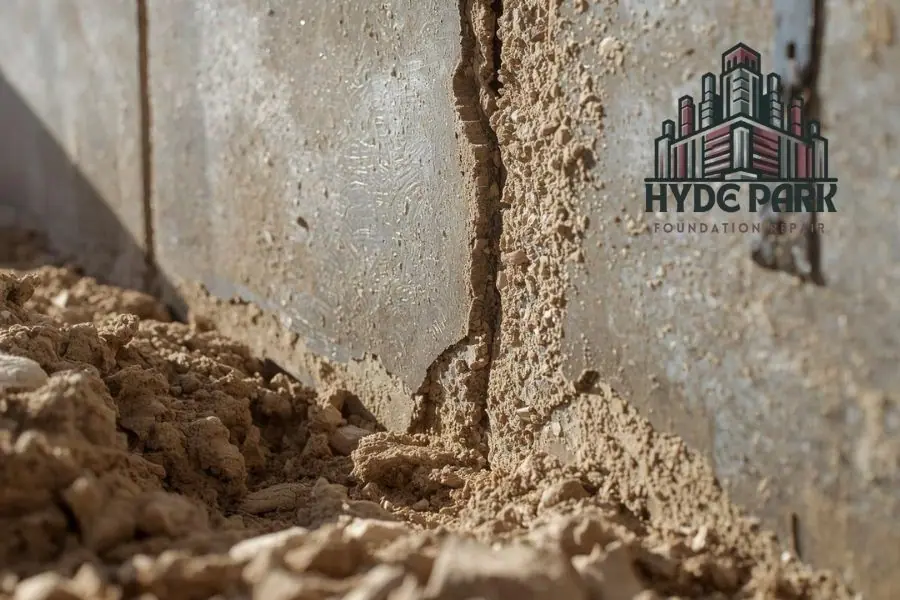
- Grade beams visible where soil has pulled away during shrinkage
- Parking lot settlement creating ponding water against building edges
- Utility penetrations showing stress or separation
Operational Impact Symptoms:
- Forklift operators reporting handling difficulties or unusual tire wear patterns
- Tenant complaints about uneven floors or door malfunctions
- ADA compliance failures at thresholds or accessible routes
- Equipment alignment problems (production machinery, shelving systems)
- HVAC or plumbing issues correlating with structural movement
Business-Critical Emergencies:
- Building inspector citations or occupancy permit threats
- Insurance inspection failures noting foundation distress
- Foundation problems discovered during property sale due diligence
- Tenant improvement projects revealing concealed structural issues
- Multiple tenants reporting synchronized foundation-related problems
Call immediately if: You notice sudden changes in floor elevation, new cracks appearing rapidly (within weeks), doors suddenly failing to close, or if foundation issues are threatening business operations or safety inspections.
Our team is ready to answer your questions and provide customized solutions for all your foundation repair needs.
Our process
How We Perform Commercial Foundation Repair in Austin
- 01
Comprehensive Commercial Property Assessment (2-3 days)
We begin with a thorough site investigation measuring floor elevations every 10-15 feet throughout the structure using laser levels and ZIP level systems. This creates a detailed topographical map of your floor slab revealing settlement patterns, high points,
- 02
Geotechnical Analysis Specific to Your Site (Timeline: Concurrent with Assessment)
Austin’s geology varies significantly across the metro area. Properties in Hyde Park sit atop Taylor Black Clay overlaying Austin Chalk at 15-20 feet depth. East Austin warehouse districts encounter clay extending 18-25 feet before reaching stable Eagle Ford s
- 03
Engineered Commercial Repair Design (3-5 business days)
Our licensed structural engineers develop repair plans addressing your building’s specific load distribution, usage requirements, and Austin’s clay soil behavior. This isn’t residential foundation work scaled up—commercial repairs require calculating exact col
- 04
Coordinated Installation Minimizing Business Disruption (Timeline: 1-3 weeks depending on scope)
Commercial foundation repair requires coordinating with your business operations. We schedule work during off-hours for retail properties, work section-by-section in warehouse facilities to maintain operational space, and coordinate with tenant schedules in of
- 05
Floor Slab Remediation and Surface Restoration (Timeline: 3-5 days per section)
After foundation stabilization, we address slab damage. Cracked concrete is removed and replaced, ensuring proper reinforcement and control joints. In Austin’s climate, we pay particular attention to sub-slab vapor barriers and moisture control—lessons learned
Commercial Foundation Repair Methods for Austin Properties
Pressed Steel Pier Systems
Hydraulically driven steel piers represent the most common commercial foundation repair method in Austin, particularly for slab-on-grade structures and perimeter beam repairs. These systems use interlocking 3-inch diameter steel pipes driven through unstable Taylor Black Clay until reaching bedrock or dense load-bearing strata, typically 12-18 feet deep in Austin. Hydraulic rams generate 20,000-30,000 pounds of driving force, essential for penetrating our region’s dense clay layers.
This method works exceptionally well in Austin because it doesn’t require pre-excavation in difficult clay soil, installation progresses rapidly (15-20 piers per day), and the system transfers building loads to stable soil independent of seasonal clay movement. Cost typically ranges $1,400-$1,800 per pier installed. We use this approach extensively for warehouse edge beams, loading dock repairs, and interior column support where overhead clearances permit hydraulic equipment access.
Read moreShow less
Drilled Concrete Pier Systems (Drilled Shafts)
For commercial structures requiring maximum load capacity—multi-story office buildings, heavy equipment facilities, structures with limited access—we install drilled concrete piers. These involve augering 10-14 inch diameter holes to stable bearing strata (typically 15-25 feet deep in Austin), inserting steel reinforcement cages, and filling with 4,000+ PSI concrete. Each pier can support 50,000-80,000 pounds, essential for concentrated commercial column loads.
Austin’s Taylor Black Clay requires specialized drilling techniques. The clay’s stickiness clogs auger flights, and uncased holes can collapse during wet seasons. We use temporary steel casings or bentonite slurry stabilization during drilling, ensuring clean hole walls that maximize friction bond with concrete. This method costs $2,000-$3,500 per pier but provides superior capacity for Austin’s most demanding commercial applications. Timeline is slower—typically 8-12 piers per day—but the engineering strength justifies this approach for significant structures.
Post-Tensioned Slab Repair and Reinforcement
Many newer Austin commercial buildings (post-1995) utilize post-tensioned slab construction where high-strength cables embedded in concrete create internal compression, resisting crack development. When these structures experience foundation settlement, repairing them requires specialized approaches preserving cable integrity. We use helical piers or limited-disturbance steel piers positioned to avoid cable paths, working from PT slab plans to identify safe installation zones.
This method requires x-ray or ground-penetrating radar scanning before any penetration, costing $800-$1,200 for scanning plus standard pier costs. Austin’s newer office complexes in the Domain, Mueller, and downtown frequently employ PT slabs, making this specialized knowledge essential for safe repairs.
Hydraulic Mud-Jacking and Polyurethane Injection
For commercial properties experiencing minor settling (under 2 inches) without structural distress, slab lifting through injection methods provides cost-effective solutions. Polyurethane foam injection works particularly well in Austin’s climate, expanding to fill voids beneath slabs and providing stable, moisture-resistant support. This approach costs $800-$1,500 per void area and completes quickly—sometimes same-day.
We use this method extensively for warehouse floor leveling, parking garage repairs, and sidewalk/ADA compliance corrections. However, it’s not suitable for properties with continuing active settlement or structural foundation damage. In Austin’s expansive clay, injection methods work best when combined with improved drainage that addresses moisture-driven clay movement triggering the original settlement.
Commercial Foundation Repair Costs in Austin, TX
Commercial foundation repair costs in Austin range from $15,000 for minor warehouse edge repairs to $250,000+ for comprehensive multi-story office building foundation systems. Unlike residential work, commercial costs scale with building size, structural complexity, operational disruption, and the engineering requirements of maintaining business-critical floor tolerances.
Cost by Project Scope:
Minor Commercial Repairs ($15,000-$35,000): Small retail spaces under 5,000 square feet with localized settlement, loading dock repairs requiring 8-12 piers, isolated column support issues, or warehouse sections with limited floor damage. Hyde Park storefronts and East Austin small industrial buildings typically fall in this range when addressing specific problem areas before they escalate.
Read moreShow less
Moderate Commercial Projects ($35,000-$85,000): 10,000-20,000 square foot buildings requiring comprehensive perimeter beam support, multi-tenant properties with foundation issues affecting 2-3 tenant spaces, warehouse facilities needing 30-50 piers for floor leveling, or office buildings with multiple interior column problems. Properties in Mueller retail areas, North Burnet office parks, and Pflugerville warehouse districts commonly require this level of intervention.
Major Commercial Foundation Systems ($85,000-$250,000+): Large warehouse facilities exceeding 40,000 square feet, multi-story office buildings requiring deep pier systems, properties with severe differential settlement demanding complete foundation replacement, or structures where foundation failure threatens building safety or occupancy permits. Downtown Austin commercial properties and large distribution centers frequently require these comprehensive repairs.
Austin-Specific Cost Factors:
Depth to stable soil varies dramatically across Austin. Properties in western Travis County (West Lake Hills, Rollingwood areas) often encounter limestone at 10-12 feet, reducing pier materials and installation time. Eastern Travis County properties (Pflugerville, Buda) frequently require piers extending 18-22 feet through thick Taylor Black Clay layers, increasing costs by 30-40% compared to western locations.
Historic commercial buildings in Old West Austin, Hyde Park, or East 6th Street frequently require specialized engineering to work around century-old construction techniques, unreinforced masonry, or outdated foundation systems. These complexities add 15-25% to base repair costs but are essential for preserving structural integrity.
Texas engineering requirements mandate licensed structural engineers seal commercial foundation repair plans—adding $3,000-$8,000 for design and inspection services, but ensuring repairs meet current code and properly address Austin’s unique clay soil challenges.
Business operational requirements affect costs significantly. After-hours installation to avoid disrupting retail operations adds 20-30% labor premiums. Climate-controlled facilities (cold storage, medical offices) requiring maintained interior conditions during repairs necessitate specialized approaches. Multi-tenant buildings where repairs must occur without displacing tenants demand phased installation timelines increasing project costs.
Financing options available through commercial lenders, business lines of credit, or property capital improvement loans. Many Austin commercial property owners structure repairs through 1031 exchange provisions or capitalize improvements for tax advantages—consult with your CPA regarding optimal financial structures for foundation repairs.
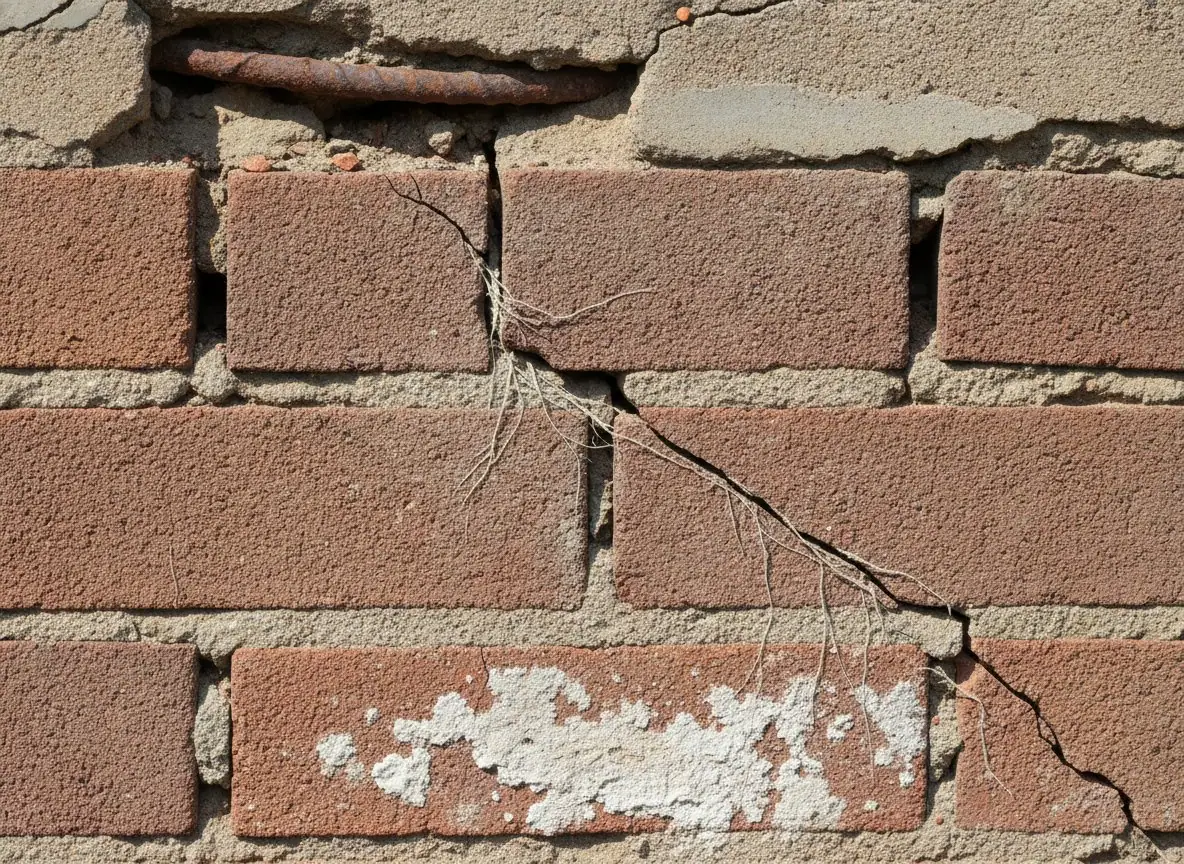
Austin Commercial Neighborhoods We Serve
North Burnet / Domain District – Austin’s premier office and retail corridor developed 1990s-2010s features predominantly post-tensioned slab construction and drilled pier foundations. Challenge: Rapid development on previously undeveloped Blackland Prairie soils with inadequate time for settlement prior to construction. Properties here often experience edge settlement around expansive parking structures where stormwater management concentrates clay moisture variations.
East Austin Industrial Corridor – Historic warehouse districts along East 5th/7th Streets and Bolm Road contain Austin’s oldest commercial foundations (1950s-1980s) with shallow slab-on-grade construction. Challenge: Aging buildings with original foundations just 12-18 inches deep encountering Taylor Black Clay that extends 20-25 feet in this area. Adaptive reuse projects converting industrial spaces to offices/retail frequently discover hidden foundation damage during renovations.
Read moreShow less
Mueller Development – Master-planned mixed-use community (2007-present) built on former airport land features modern foundation engineering but faces unique challenges from previous site compaction and backfill zones. Challenge: Variable soil conditions where runway and taxiway removals created fill areas with different settlement characteristics than native clay, causing differential movement between building sections.
Downtown/Warehouse District – Austin’s urban core contains commercial buildings spanning 1880s-2020s construction, from unreinforced stone foundations to modern high-rise caissons. Challenge: Historic structures built before engineers understood Taylor Black Clay behavior require sensitive repairs preserving architectural character while addressing century-old foundation inadequacies. Adjacent new construction often triggers settlement in nearby older buildings through vibration and groundwater changes.
Pflugerville/Buda Growth Corridors – Rapidly developing suburban warehouse and distribution centers (2010s-present) built to meet Austin’s logistics demands. Challenge: Construction during drought years (2011-2014, 2022-2023) where compressed construction timelines didn’t allow adequate observation of clay behavior through complete moisture cycles. Many facilities now experience first-time settlement as clay undergoes full expansion-contraction patterns.
Maintaining Your Commercial Foundation in Austin
Implement Comprehensive Perimeter Drainage – Austin’s dramatic seasonal moisture swings demand that commercial properties actively manage water around foundations. Install and maintain French drains, ensure downspouts discharge 10+ feet from buildings, and grade parking lots to prevent water ponding against foundation edges. During Austin’s fall rainy season (September-November when we typically receive 60% of annual rainfall), inspect drainage systems monthly. Clogged drains allow water infiltration causing Taylor Black Clay expansion that lifts slabs and stresses foundations.
Monitor Foundation Quarterly Using Laser Levels – Establish a baseline elevation survey of critical floor points (loading docks, column bases, equipment foundations, doorways). Re-measure quarterly to detect subtle settlement trends before they become operational problems. In Austin, measure specifically after our drought season (August-September) and after heavy spring rains (April-May) when clay volume changes peak. Early detection of 1/4-inch settlement allows minor intervention preventing $50,000+ emergency repairs when movement reaches 2-3 inches.
Read moreShow less
Control Interior Moisture Sources – Commercial buildings generate substantial interior moisture from restrooms, kitchens, HVAC systems, and manufacturing processes. Even minor plumbing leaks beneath slabs create localized clay expansion zones causing differential settlement. Conduct annual thermal imaging inspections detecting hidden moisture and address immediately. Restaurant and medical facility tenants require particular attention as their water usage significantly impacts foundation stability.
Maintain Strategic Landscaping Buffer Zones – In Austin, mature trees can extract 100-200 gallons of daily soil moisture during summer, dramatically shrinking clay near foundations. However, removing all vegetation exposes soils to extreme temperature swings equally damaging. Maintain 10-15 foot foundation clearance from large trees (live oaks, pecans), but preserve grass or groundcover providing surface temperature moderation. Avoid seasonal irrigation directly against buildings—water landscaping zones away from structures allowing natural moisture gradients.
Schedule Professional Inspections Bi-Annually – Commercial properties should undergo foundation inspection every 6 months, particularly before and after Austin’s summer drought season. Foundation specialists identify subtle warning signs—hairline cracks developing, minor door adjustments needed, slight floor slopes—before they escalate into business-disrupting problems. Bi-annual inspections cost $300-500 but prevent exponentially larger repair expenses by catching issues early. Document inspections for property sale disclosures and tenant lease obligations.
Address Settlement Immediately Upon Detection – Taylor Black Clay damage is progressive—small settlements accelerate as structural load redistributes to fewer support points. A $5,000 repair addressing 3-4 settled piers in Year 1 becomes a $40,000 comprehensive foundation project if delayed 3-5 years. Austin’s clay doesn’t improve spontaneously; settlement indicates your foundation has inadequate depth or insufficient support for local soil conditions. Early intervention costs a fraction of deferred repairs and prevents operational disruptions threatening revenue.
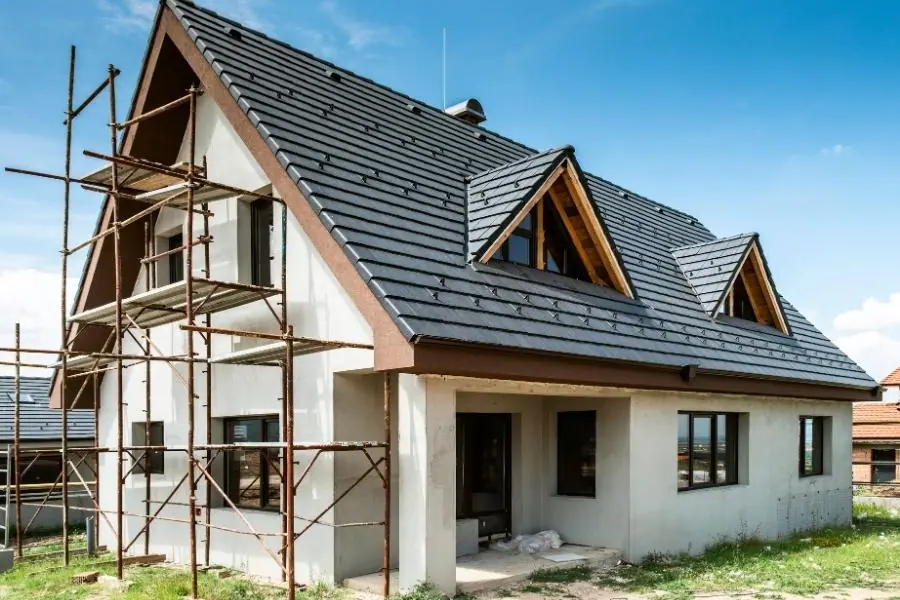
Why Austin Commercial Property Owners Choose Hydepark Foundation Repair
Austin commercial property owners trust Hydepark Foundation Repair because we understand that foundation problems are business problems—threatening operations, tenant relationships, property values, and regulatory compliance. Our locally-owned, family-operated company brings over a decade of specialized experience repairing Austin’s commercial foundations, from historic East 6th Street buildings to modern Domain office complexes.
We’re not residential contractors attempting commercial work. Our team includes licensed structural engineers specifically experienced with commercial load calculations, Texas commercial building codes, and the unique challenges of Austin’s Taylor Black Clay geology. We’ve designed and installed foundation systems for warehouse facilities exceeding 100,000 square feet, multi-story office buildings, retail centers with demanding tenant requirements, and specialized structures like cold storage facilities and medical buildings.
Read moreShow less
Our commercial clients appreciate our business-first approach: detailed project scheduling minimizing operational disruption, clear communication with property managers and tenants, comprehensive engineering documentation supporting property sale requirements and insurance claims, and warranties backed by a company deeply invested in Austin’s commercial real estate community. We coordinate with your contractors, tenants, and inspectors ensuring foundation repairs integrate seamlessly with broader property maintenance and improvement programs.
Every commercial foundation repair includes Texas-licensed engineering oversight, detailed elevation surveys documenting pre and post-repair conditions, and lifetime transferable warranties on structural pier systems. We maintain relationships with commercial property lenders, insurance adjusters, and real estate professionals throughout Austin who rely on our expertise for objective foundation assessments and reliable repairs.
Frequently Asked Questions About Commercial Foundation Repair in Austin, TX
Timeline varies dramatically with project scope. A small retail space requiring 8-12 piers for localized settlement might complete in 3-5 business days. A 30,000 square foot warehouse needing comprehensive floor leveling typically requires 2-3 weeks. Large multi-story office buildings or properties with complex tenant coordination can extend 6-8 weeks. Austin-specific factors like our clay soil requiring deeper pier installation (15-20 feet versus 8-10 feet in other regions) extend timelines compared to other Texas markets. Weather also impacts scheduling—we avoid major concrete pours during Austin’s summer when temperatures exceeding 100°F compromise curing, preferring spring and fall for optimal installation conditions.
Commercial foundation repair in Austin ranges from $15,000 for minor retail repairs to $250,000+ for comprehensive warehouse or office building systems. Cost per pier typically runs $1,400-$1,800 for standard steel systems, $2,000-$3,500 for drilled concrete piers supporting heavy loads. Austin’s deep Taylor Black Clay (requiring 15-20 foot pier depths in many areas) increases costs 25-40% compared to cities with shallower bedrock. Large properties benefit from economies of scale—a warehouse requiring 80 piers costs significantly less per pier than a small building needing 12. Engineering fees, permits, and specialized equipment access for downtown or constrained sites add 15-30% to base repair costs.
Most commercial foundation repairs accommodate continued business operations through careful scheduling and phased installation. Retail properties often schedule work after hours or on slower business days. Warehouses remain partially operational by repairing one section while maintaining access to others—we’ve kept 60% of facility space operational during repairs. Office buildings coordinate repairs during evenings/weekends or when tenant spaces are vacant. However, certain repairs—major loading dock work, comprehensive floor replacements, or repairs requiring overhead crane access—may necessitate temporary closures. We develop detailed operational plans with property managers addressing specific business requirements before starting work.
Austin sits atop the Blackland Prairie’s Taylor Black Clay, one of North America’s most expansive soil formations. This montmorillonite clay exhibits volume changes exceeding 8%—a 10-foot clay column can swell 9+ inches when wet and shrink equally during drought. Our climate compounds this: summer droughts routinely extend 3-4 months with temperatures exceeding 95-100°F, desiccating clay to 10-12 foot depths. Fall rains then saturate this dried clay causing rapid expansion. Commercial buildings with large roof areas and extensive paving create severe moisture differentials—interior zones stay relatively stable while edges undergo extreme moisture cycles. The 2011 drought and 2021 freeze subjected Austin foundations to conditions beyond original design assumptions, revealing vulnerabilities in pre-1990s construction particularly prevalent throughout our commercial building stock.
Foundation repairs before selling typically maximize sale price and transaction certainty. Disclosed foundation problems allow buyers to demand price reductions often exceeding actual repair costs—a $40,000 repair might trigger $75,000-$100,000 price reduction as buyers factor in worst-case scenarios and transaction risk. Additionally, foundation issues complicate commercial financing; lenders often refuse loans or require repairs in escrow with significant holdbacks. Completing repairs pre-sale with engineering documentation and transferable warranties demonstrates property integrity, accelerates due diligence, and prevents deal complications. However, if foundation damage is minimal (isolated cosmetic cracks, minor settlement not affecting operations), obtaining an engineer’s letter certifying the foundation as structurally adequate may suffice without full repairs—consult with Austin commercial real estate professionals for property-specific guidance.
Usually yes. Here’s why:
Unrepaired foundations:
- Scare buyers (many will walk away)
- Reduce offers by MORE than repair cost
- Complicate financing (lenders often require repair)
- Extend time on market
Repaired foundations:
- Show maintenance responsibility
- Come with transferable warranty (reassures buyers)
- Often return 100%+ of cost in sales price
- Speed up closing (no repair negotiations)
Disclosure: Texas law requires disclosing known foundation issues. Repair and disclose yields better results than just disclosing problems.
Pre-sale strategy: Get inspection and estimate. Sometimes minor cracks don’t need repair—we’ll tell you honestly.
[Pre-Sale Inspection Services]
Commercial foundation repair demands fundamentally different engineering than residential work. Load calculations are exponentially more complex—calculating point loads from steel columns, distributed loads across massive floor slabs, and dynamic loads from equipment and vehicle traffic. Commercial buildings require maintaining precise floor tolerances (1/8 inch over 10 feet for warehouse operations versus 1 inch over 20 feet adequate residentially). Pier systems must support 40,000-80,000 pound column loads versus 5,000-8,000 pounds for residential applications. Austin commercial buildings also face unique challenges: multi-tenant structures requiring repairs without displacing occupants, loading docks with vehicular impact stresses, and regulatory requirements including ADA compliance, occupancy permits, and commercial building codes. Licensed structural engineering is mandatory for commercial work in Texas, whereas residential repairs in some cases proceed with contractor-level expertise alone.
More Questions?
Foundation distress threatening structural safety or code compliance can trigger occupancy permit revocation by Austin building inspectors. Red flags include: floor slopes exceeding life-safety thresholds (typically 2+ inches over 20 feet), cracks indicating active structural distress rather than cosmetic damage, ADA violations where foundation settlement creates accessibility barriers exceeding 1/2 inch threshold height, stair-step cracking in load-bearing walls suggesting shear failure, or foundation deterioration causing utilities (gas, water, electrical) stress at building penetrations. If building inspectors note foundation concerns during routine inspections, code violation citations, or tenant complaints trigger inspection visits, immediately engage a licensed structural engineer for formal assessment. Austin takes commercial building safety seriously—we’ve seen properties issued 30-60 day repair mandates or face closure, particularly for multi-tenant buildings where foundation problems threaten multiple occupants.
More Questions?
Standard commercial property insurance typically excludes foundation damage from earth movement, soil settling, or gradual deterioration—the primary causes of foundation problems in Austin’s clay soil. However, insurance may cover foundation damage from specific covered perils: burst plumbing causing sudden undermining, fire damage affecting foundation structure, or foundation movement directly resulting from a covered wind/hail event. The 2021 winter storm created a notable exception—many Austin commercial properties experienced foundation damage from freeze-related plumbing failures that insurance partially covered. Review your policy’s specific exclusions and consider earthquake/earth movement endorsements if available (though these remain expensive and limited). When filing claims, obtain engineering documentation linking foundation damage to a covered event rather than general soil conditions to maximize approval likelihood.
More Questions?
Schedule Your Free Commercial Foundation Inspection
Protecting your Austin commercial property’s foundation protects your business operations, tenant relationships, and investment value. Foundation problems don’t improve with time—Taylor Black Clay’s seasonal volume changes ensure that inadequate foundation support progressively worsens until addressed with proper engineering solutions.
Hydepark Foundation Repair offers comprehensive free commercial foundation inspections throughout Austin and surrounding areas including Pflugerville, Buda, Mueller, North Burnet, Hyde Park, and beyond. Our licensed engineers will assess your property, document existing conditions with detailed elevation surveys, and provide transparent repair recommendations with accurate cost estimates. No pressure, no sales tactics—just honest evaluation from Austin’s commercial foundation specialists.
Read moreShow less
Call our Austin office today at [phone number] or request your free inspection online. We typically schedule commercial property assessments within 3-5 business days and provide detailed inspection reports within one week. Don’t let foundation problems escalate into business disruptions, tenant complaints, or regulatory violations. Contact Hydepark Foundation Repair and discover why Austin’s commercial property owners trust our family-owned company with their most important asset’s structural integrity.
Our team is ready to answer your questions and provide customized solutions for all your foundation repair needs.
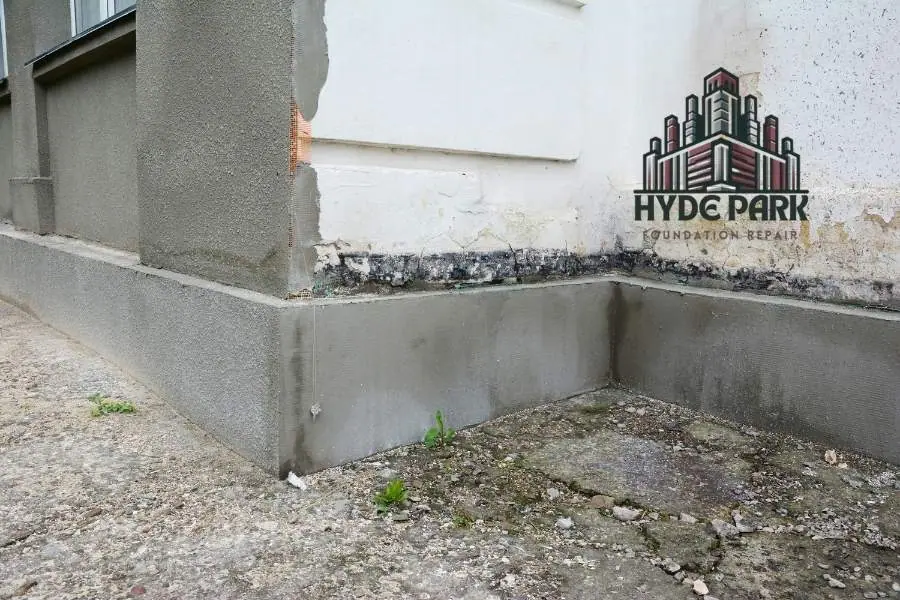
Why choose us
Why choose Hydepark Foundation Repair?
Free estimates
Get a clear, no-obligation estimate before any work begins.
Licensed & insured
Your property and our crew are protected on every project.
Residential & commercial
One team for homes, multi-family and commercial properties.
Locally owned & operated
A local team serving your community and the surrounding area.
Get in touch
Find foundation repair help near you
Request a free estimate online or give us a call — our team will follow up quickly.
- Call us(512) 782-0688
- Visit3800 N Lamar Blvd suite 200 02, Austin, TX 78756
- HoursMon-Sun: 07:00 – 19:00