
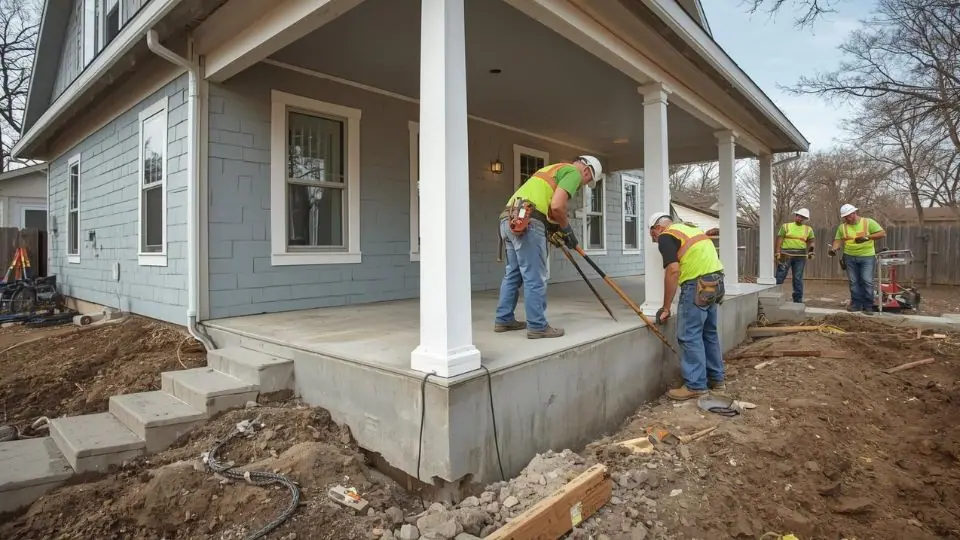
Foundation Patching in Austin, TX
Foundation problems in Austin, TX affect an estimated 60–80% of homes over their lifetime, ranging from minor cosmetic cracks to serious structural instability. Austin’s unique combination of expansive clay soil, extreme drought-to-rain cycles, mature tree growth, and diverse construction eras creates conditions where foundation issues are not a matter of if, but when. Knowing how to recognize early warning signs, assess severity, and understand repair options is essential to protecting your home’s safety and long-term value.
Get Your Free Quote Now
Why Foundation Problems Are Common in Austin, TX
Austin sits on the Blackland Prairie, where soils are dominated by Taylor Black Clay, an expansive montmorillonite clay known for extreme volume change. When dry, this clay can shrink by up to 30%; when saturated, it swells significantly. Across much of Austin, this clay forms an active zone 10–15 feet deep, with eastern Austin commonly exceeding 20 feet, while western areas feature thinner clay layers over limestone bedrock.
Austin’s climate intensifies this soil behavior. During prolonged droughts—most notably 2011, 2022, and 2023—soil moisture drops, clay contracts, and foundations lose uniform support, leading to settlement and cracking. When fall and winter rains return, the clay rapidly rehydrates and expands, sometimes lifting portions of foundations and causing heaving. This repeated shrink–swell cycle creates cumulative stress, meaning foundation damage typically worsens over time rather than stabilizing naturally.
Read moreShow less
Different foundation types respond differently to these forces. Slab-on-grade foundations crack and shift as soil pulls away beneath them. Pier-and-beam foundations experience uneven pier settlement and beam deflection. Concrete block foundations often develop stair-step cracking along mortar joints. Neighborhood factors also matter—older areas like Hyde Park face aging materials and shallow original footings, while newer developments such as Mueller still struggle due to deep clay deposits. Mature trees, especially live oaks, can draw 100+ gallons of water per day, intensifying localized soil shrinkage within a 30–40 foot radius.
Signs of Foundation Problems: What to Look For
Foundation problems in Austin tend to follow predictable, progressive patterns.
Visible Signs
- Cracks in slab floors, foundation walls, or stem walls
- Stair-step cracks in block or brick foundations
- Vertical or horizontal wall cracks
- Gaps between walls and ceilings or baseboards
- Separation between chimneys, garages, or additions and the main structure
Functional Symptoms
- Doors and windows sticking, rubbing, or failing to latch
- Sloping, uneven, or bouncy floors
- Cabinets, countertops, or trim pulling away from walls
Hidden and Moisture-Related Clues
- Water seeping through foundation walls
- Damp crawl spaces or musty odors
- Efflorescence (white chalky residue) on concrete or masonry
- Seasonal changes where cracks open during summer and narrow after rain
Read moreShow less
Austin-Specific Patterns
Most homeowners notice new or worsening signs during late summer drought and again in early fall, when rapid soil rehydration causes movement. Eastern Austin homes often show broader settlement, while western hillside properties experience more localized shifting near cut-and-fill areas.
Free, no-obligation estimates
Talk to Hydepark Foundation Repair
Tell us what you need and we’ll take it from there.
Common Foundation Problems in Austin Homes
Foundation Problems by Foundation Type
Foundation Problem Severity: When to Act
Minor Issues (Monitor and Maintain)
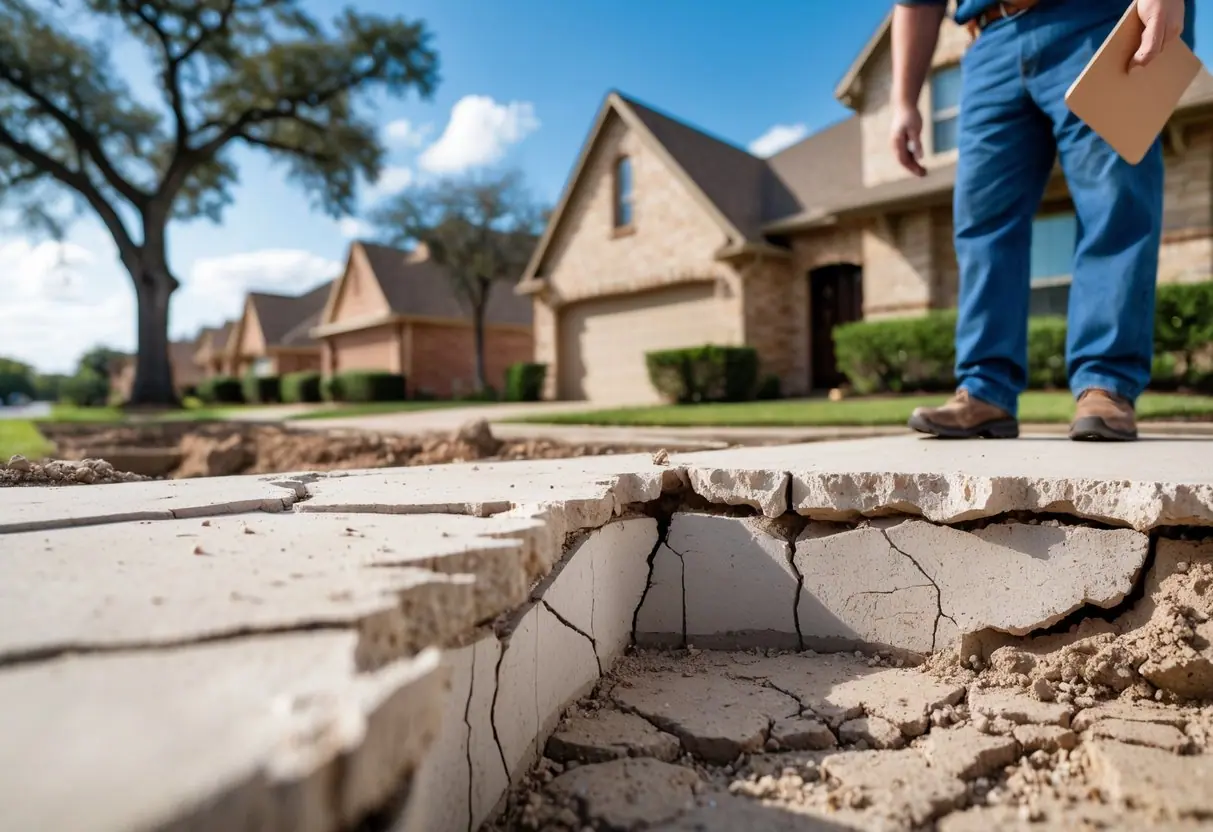
Hairline cracks under ⅛ inch, stable over time, with no functional symptoms. These often result from normal concrete shrinkage and minor seasonal movement. Seal cracks and inspect annually, especially after summer drought.
Moderate Issues (Schedule Professional Assessment)
Cracks ⅛–¼ inch, doors beginning to stick, or mild floor slopes. These indicate active foundation movement related to Austin’s expansive clay. Professional evaluation is recommended, as moderate problems can progress within 1–2 years.
Severe Issues (Immediate Attention Required)
Cracks wider than ¼ inch, horizontal wall cracks, floors out of level by 2+ inches, or visible separation of structural elements. These signal significant structural risk and require immediate professional attention.
Active vs. Stable Problems
Seasonal opening and closing of cracks is common in Austin. Progressive growth, new cracks, or worsening symptoms over 3–6 months indicate active movement.
Foundation Problem Solutions in Austin, TX
- Foundation Stabilization: Installation of concrete or steel piers to transfer structural load to stable soil layers, used for settlement, sinking, and heaving issues.
- Foundation Crack Repair: Epoxy or polyurethane injection to seal stable cracks and prevent moisture intrusion.
- Structural Foundation Repair: Reinforcement or rebuilding of foundation walls and structural elements for severe damage.
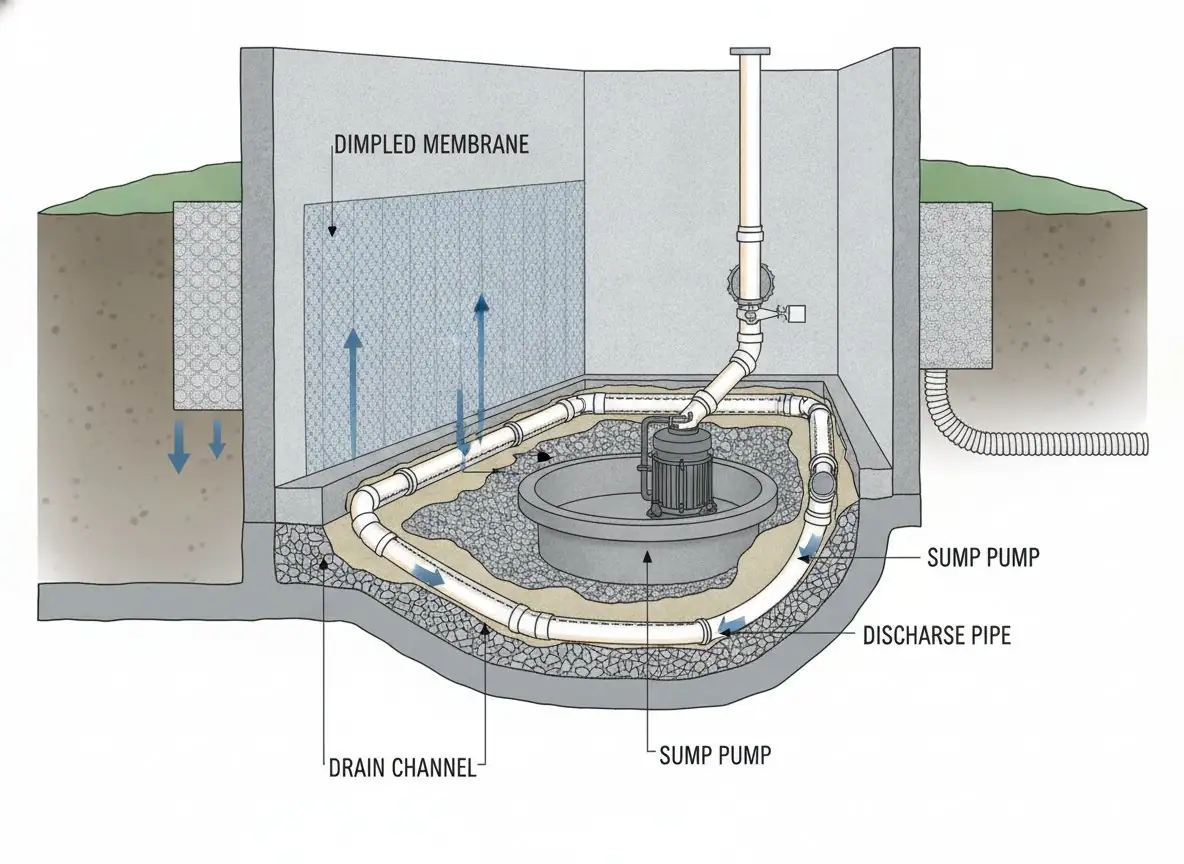
- Foundation Waterproofing: Drainage systems, membranes, and moisture control solutions to manage water intrusion.
- Foundation Inspection: Comprehensive evaluation to identify causes, severity, and appropriate repair strategies based on Austin soil conditions.
Proper diagnosis is critical, as multiple foundation problems often occur simultaneously in Austin homes.
Preventing Foundation Problems in Austin
- Maintain consistent soil moisture with controlled foundation watering during drought
- Ensure gutters and downspouts direct water at least 5 feet away from the foundation
- Manage large trees near foundations and monitor soil moisture around root zones
- Inspect foundations annually, especially after prolonged dry periods
- Use professional monitoring for homes with known foundation movement
Prevention can reduce severity and slow progression but cannot eliminate long-term soil movement caused by Austin’s expansive clay.
Foundation Problem Repair Costs in Austin, TX
- Minor repairs: $500–$2,000
- Moderate repairs: $3,000–$7,000
- Major repairs: $7,000–$15,000+
Costs vary based on soil depth, foundation type, accessibility, and the extent of secondary damage. Early intervention is almost always less expensive than delayed structural repair.
When to Schedule a Foundation Inspection
Schedule a professional inspection if you notice widening cracks, sticking doors, uneven floors, or rapid changes following drought or heavy rainfall. Preventive inspections are also recommended before buying or selling a home, and every 5–10 years for Austin properties due to ongoing soil movement.
Our team is ready to answer your questions and provide customized solutions for all your foundation repair needs.
Foundation Problems FAQ
Approximately 60–80% of homes experience some level of foundation movement over time.
Primarily expansive clay soil combined with drought–rain cycles, drainage issues, plumbing leaks, and tree-related moisture loss.
They range from cosmetic to structural. Early identification prevents escalation.
Costs range from a few hundred dollars for minor repairs to $15,000 or more for major stabilization.
In Austin, most foundation problems progress without intervention due to cyclical soil movement.
Foundation Problems Across Austin Neighborhoods
- Hyde Park: Historic pier-and-beam homes with deep clay soils, aging materials, and mature trees.
- Mueller: Newer slab homes built over very deep clay, experiencing seasonal settlement despite modern construction.
- West Lake Hills: Shallow clay over limestone, leading to localized settlement challenges rather than widespread movement.
Eastern Austin generally experiences more severe foundation movement than western areas due to deeper clay deposits.
Expert Foundation Problem Diagnosis in Austin, TX
Foundation problems in Austin require local expertise and careful evaluation. Hyde Park Foundation Repair brings 20+ years of experience diagnosing and coordinating repairs for foundation damage repair in Austin, TX, with deep understanding of how local soils, climate cycles, and construction styles affect every foundation type.
We provide free, comprehensive foundation inspections, including structural assessment, moisture evaluation, and clear, transparent repair recommendations—no obligation. Schedule your inspection to gain clarity, confidence, and a plan tailored specifically to your Austin home.
Our team is ready to answer your questions and provide customized solutions for all your foundation repair needs.
Why choose us
Why choose Hydepark Foundation Repair?
Free estimates
Get a clear, no-obligation estimate before any work begins.
Licensed & insured
Your property and our crew are protected on every project.
Residential & commercial
One team for homes, multi-family and commercial properties.
Locally owned & operated
A local team serving your community and the surrounding area.
Get in touch
Find foundation repair help near you
Request a free estimate online or give us a call — our team will follow up quickly.
- Call us(512) 782-0688
- Visit3800 N Lamar Blvd suite 200 02, Austin, TX 78756
- HoursMon-Sun: 07:00 – 19:00