
Your Trusted Foundation Repair Contractor in Austin, TX
Structural foundation repair addresses severe foundation damage that threatens a building’s structural integrity and safety. In Austin, TX, the region’s Taylor Black Clay soil—an expansive montmorillonite clay unique to the Blackland Prairie geology—creates extreme foundation stress cycles that can lead to catastrophic structural failures. Hydepark Foundation Repair specializes in structural foundation repair throughout Austin, with particular expertise in historic Hyde Park and Old West Austin neighborhoods where century-old foundations face compounding challenges from mature live oak root systems and original pier installations that predate modern engineering standards. When foundation walls bow inward, load-bearing walls shift, or differential settlement exceeds safety thresholds, immediate structural intervention becomes critical to prevent building collapse and maintain occupant safety.
Get Your Free Quote Now
Understanding Structural Foundation Damage
Structural foundation damage represents the most severe category of foundation problems—failures that compromise a building’s load-bearing capacity and threaten structural collapse. Unlike cosmetic cracks or minor settlement, structural damage involves foundation walls buckling under lateral soil pressure, load-bearing elements separating from the foundation system, or differential settlement so extreme that floors slope more than two inches across a room.
In Austin, structural foundation problems became increasingly prevalent following the region’s urbanization in the 1970s-1990s, when rapid construction on Blackland Prairie soils often overlooked the unique engineering requirements of Taylor Black Clay. This expansive soil, which dominates Austin’s eastern corridor from Mueller through East Riverside-Oltorf, contains high concentrations of montmorillonite clay minerals that shrink up to 30% in volume during drought and swell proportionally during wet periods. Buildings constructed without adequate foundation depth or proper drainage systems experienced accelerated structural deterioration.
Read moreShow less
Historic neighborhoods like Hyde Park, Brentwood, and Allandale contain the highest concentration of structurally compromised foundations. Homes built between 1890-1950 typically feature pier-and-beam or shallow slab foundations installed only 6-8 feet deep—well within the “active zone” where Austin’s clay soils undergo dramatic volume changes extending 10-15 feet below surface. Current engineering studies estimate that approximately 35% of pre-1960 Austin homes exhibit structural foundation damage requiring professional assessment.
The architectural legacy also plays a role. Austin’s Victorian-era homes in Hyde Park and Clarksville used limestone block foundations without steel reinforcement, making them particularly vulnerable to lateral pressure from expanding clay. Meanwhile, mid-century ranch homes in Allandale and Rosedale often feature post-tension slab foundations that, when combined with inadequate drainage and mature tree root systems, develop the horizontal cracking and wall separation that signals imminent structural failure.
Why Austin Buildings Experience Severe Structural Foundation Damage
Austin’s unique geological and climatic conditions create a perfect storm for catastrophic foundation failures that go far beyond typical settling or minor cracks. The combination of aggressive expansive soils, extreme drought-rain cycles, and specific regional construction practices results in structural damage patterns rarely seen in other Texas cities.
Taylor Black Clay Soil Mechanics and Lateral Foundation Pressure
Austin sits atop Blackland Prairie geology characterized by Taylor Black Clay—a heavy clay soil with plasticity index ratings between 35-50, among the highest in Texas. This clay contains abundant montmorillonite minerals that absorb water molecules directly into their crystalline structure, causing massive volumetric expansion. During Austin’s typical summer drought, this clay shrinks away from foundation walls, eliminating lateral support. When fall rains arrive, the clay rapidly rehydrates and swells against foundation walls with pressures exceeding 5,000 pounds per square foot—equivalent to a fully loaded dump truck pressing sideways against basement walls.
Read moreShow less
Foundation walls in Mueller, East Riverside-Oltorf, and Pflugerville experience the most severe lateral pressure damage because these eastern Austin areas contain the deepest Taylor Clay deposits, often extending 20+ feet below surface. During the 2011 Texas drought—the most severe single-year drought in recorded state history—Austin’s clay soils created 3-4 inch gaps between foundations and surrounding earth. The subsequent 2015 floods refilled these gaps violently, with clay swelling at rates up to 2 inches per week. Foundation walls designed for vertical loads, not lateral pressure, buckled inward. Concrete blocks fractured horizontally. Steel-reinforced walls bowed measurably.
Differential Settlement from Inconsistent Soil Moisture
Austin’s limestone terrain creates underground drainage patterns that produce wildly inconsistent soil moisture levels beneath single buildings. The Edwards Aquifer’s recharge zone runs directly through West Lake Hills, Rollingwood, and western Austin neighborhoods, creating limestone cavities and underground water flows that strip moisture from localized soil zones. Meanwhile, eastern Austin’s impermeable clay holds moisture in isolated pockets.
A single home in Brentwood or Allandale might have bone-dry clay beneath one corner and saturated clay beneath another—simultaneously. This creates differential settlement where one section of the foundation drops 4-6 inches while adjacent sections remain stable. Floor joists bend beyond their load capacity. Door frames twist into parallelograms. Load-bearing walls crack vertically as they’re pulled in opposite directions. The structural damage accelerates exponentially once differential settlement exceeds one inch—at two inches, which commonly occurs in Austin’s older neighborhoods, structural engineers classify buildings as unsafe for occupancy without immediate intervention.
Tree Root Moisture Extraction and Foundation Undermining
Austin’s urban forest, dominated by native live oak, cedar elm, and invasive chinaberry trees, poses severe structural foundation risks. A mature live oak—common throughout Hyde Park, Old West Austin, and Zilker—extends roots 2-3 times wider than its canopy and extracts 150-200 gallons of water daily from soil during summer. These root systems actively mine moisture from beneath foundations, creating massive clay shrinkage directly under load-bearing walls.
The 2022-2023 drought, which saw Austin record 77 consecutive days without measurable rainfall, produced tree-related foundation failures in record numbers. Foundations in heavily treed neighborhoods like Allandale experienced clay shrinkage depths exceeding 12 feet—beyond the reach of standard foundation piers. The structural damage pattern is distinctive: severe settlement on the tree-facing side of buildings, with foundation walls pulling away from floor systems as the clay shrinks differentially. Historic homes in Hyde Park, where 100+ year-old live oaks surround century-old foundations, face compounding structural risks as both tree root systems and foundation materials reach end-of-life simultaneously.
Austin’s Freeze-Thaw Cycles and Plumbing Failures
While Austin averages only 4-6 hard freezes annually, these brief cold snaps produce disproportionate structural damage because the region’s plumbing infrastructure isn’t designed for freezing conditions. The February 2021 winter storm, which subjected Austin to sub-freezing temperatures for 144 consecutive hours, caused catastrophic foundation damage through burst pipes and slab leaks.
Post-tension slab foundations in North Burnet, Sunset Valley, and Buda experienced particularly severe structural compromise. When embedded plumbing lines froze and burst, pressurized water eroded clay soils directly beneath slabs. Structural engineers documented foundation voids exceeding 3 feet in diameter beneath homes throughout these neighborhoods. The supporting soil disappeared, leaving concrete slabs suspended over empty space. When the suspended sections collapsed, they created catastrophic differential settlement—foundation failures severe enough to trigger building condemnation in extreme cases.
Free, no-obligation estimates
Talk to Hydepark Foundation Repair
Tell us what you need and we’ll take it from there.
Signs You Need Structural Foundation Repair
Immediate Life-Safety Warning Signs (Call Emergency Services):
- Foundation walls visibly leaning or tilting inward more than 2 inches
- Horizontal cracks in foundation walls exceeding 1/4 inch width and extending across multiple wall sections
- Visible daylight showing between foundation walls and floor systems
- Load-bearing walls separating from the foundation with gaps you can insert your hand into
- Foundation walls actively crumbling or deteriorating to the point of exposing interior spaces
Critical Structural Indicators:
- Floors out of level by more than 2 inches measured across a 20-foot span
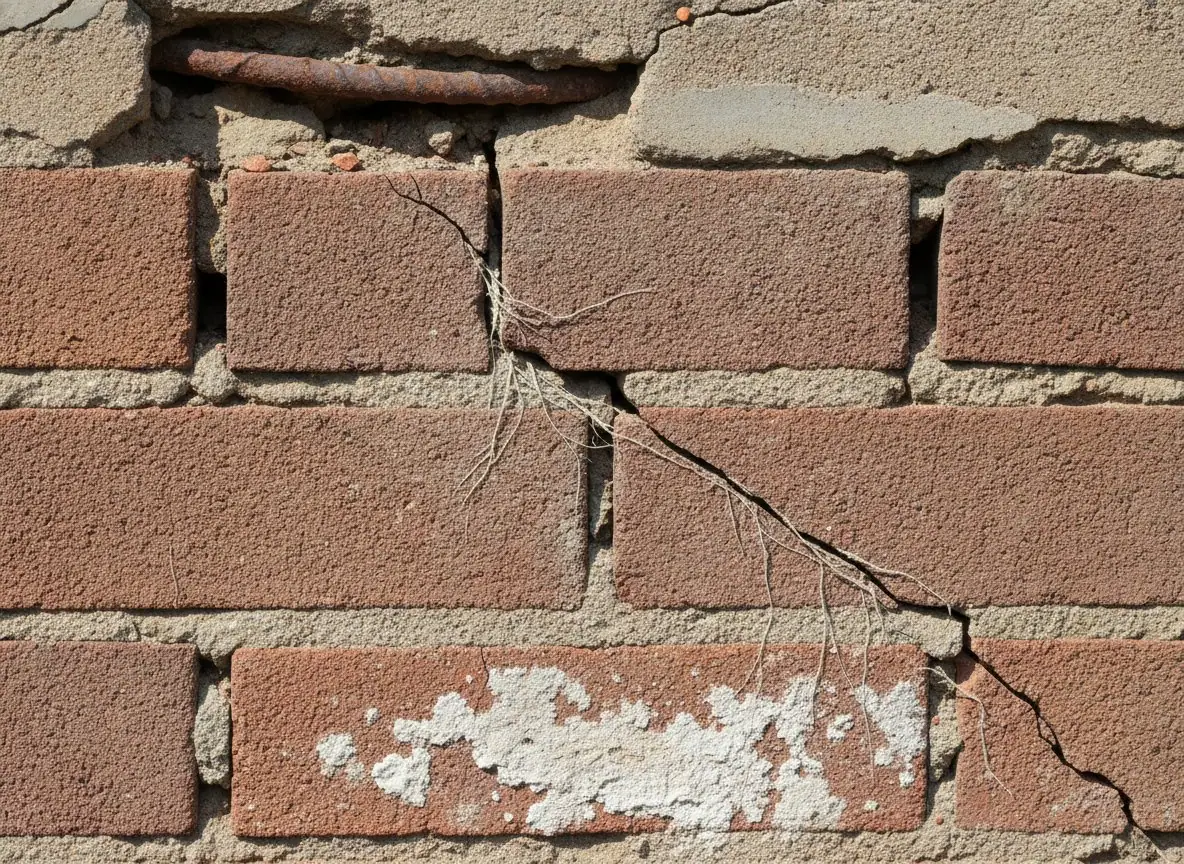
- Stair-step cracking in brick or concrete block foundations that continues growing week-to-week
- Doors and windows that were recently level now require significant force to open or close
- Diagonal cracks extending from door/window corners down to foundation level
- Chimneys, porches, or garage structures visibly separating from the main building
- Vertical cracks in exterior foundation walls wider than 1/4 inch, particularly after Austin’s summer drought season
Read moreShow less
Interior Structural Warning Signs:
- Multiple interior wall cracks appearing simultaneously or widening rapidly
- Crown molding or baseboards separating from walls by more than 1/2 inch
- Floors sloping noticeably toward one area, causing furniture to roll or water to pool
- Load-bearing beam or column connections showing separation or movement
- Basement or crawl space walls bowing inward measurably from previous inspections
When to Call Immediately: If you observe foundation walls moving inward, growing cracks after rain events, or floors becoming noticeably more unlevel during Austin’s seasonal drought-to-rain transitions, structural foundation assessment becomes urgent. These indicators suggest active foundation failure requiring immediate engineering evaluation.
How We Perform Structural Foundation Repair in Austin
Step 1: Comprehensive Structural Engineering Assessment
Every structural foundation repair begins with licensed structural engineering evaluation—not standard foundation inspection. Our engineers analyze load-bearing capacity, soil bearing strength, and structural integrity using laser levels, soil moisture meters, and foundation elevation surveys. In Austin, this assessment includes testing Taylor Clay expansion potential at depths up to 15 feet, evaluating underground moisture sources from limestone aquifer drainage, and documenting differential settlement patterns. This engineering phase takes 3-5 hours for residential properties, longer for commercial buildings. Results determine whether repair, reinforcement, or partial reconstruction is required.
Read moreShow less
Step 2: Stabilization and Safety Measures
Before repairs begin, we implement temporary structural stabilization where needed. This may include installing support columns under sagging floor systems, bracing foundation walls showing lateral movement, or evacuating compromised areas. Austin building code requires permits for structural foundation work, which we secure during this phase. Permit approval typically takes 2-3 weeks depending on project scope and Travis County workload.
Step 3: Soil Remediation and Void Filling
Structural foundation repair in Austin frequently requires addressing soil conditions before foundation work begins. We excavate around compromised foundation sections to expose the full extent of damage, then stabilize underlying Taylor Clay through controlled moisture injection or soil replacement with engineered fill. Underground voids created by plumbing leaks or limestone cavities—common beneath West Lake Hills and Rollingwood properties—are filled with expansive grout or structural polyurethane foam. This foundation preparation phase takes 2-4 days depending on soil conditions and excavation depth requirements.
Step 4: Foundation Reinforcement or Reconstruction
Structural repairs employ steel-reinforced concrete piers driven to bedrock or stable clay layers 12-20 feet deep—far deeper than standard foundation repairs. In eastern Austin’s deep clay zones, piers may extend 25+ feet to reach stable bearing strata. Bowing foundation walls receive steel I-beam or carbon fiber reinforcement systems anchored to stable foundation sections or new pier systems. Severely compromised foundation sections may require partial reconstruction using modern engineering standards. This core repair work takes 5-10 days for residential properties, potentially longer for commercial structures or historic buildings requiring specialized techniques.
Step 5: Load Transfer and System Integration
Once new pier systems and reinforcements are installed, we hydraulically lift settled foundation sections back to level using synchronized jacks. Austin’s expansive clay requires careful lifting protocols—maximum 1/4 inch adjustment per day—to prevent additional structural stress. Steel brackets transfer building loads from compromised foundation sections to new pier systems. The goal is returning foundations to within 1/2 inch of level across all sections while ensuring new support systems can withstand Austin’s extreme soil pressure cycles.
Step 6: Drainage System Installation
Structural foundation repairs must address the underlying causes—primarily water management in Austin’s clay soil environment. We install French drains, surface drainage systems, and often root barrier systems to prevent future moisture fluctuations around foundations. These systems are designed specifically for Taylor Clay’s low permeability and Austin’s intense rainfall events that can deliver 3-4 inches of rain in single storms. Drainage work adds 2-3 days to project timelines.
Step 7: Structural Verification and Engineering Certification
All structural foundation repairs conclude with engineering verification using laser elevation surveys and structural load testing. Licensed engineers certify that repairs meet current building codes and that structures are safe for occupancy. This documentation is critical for property values, insurance requirements, and future sale disclosures. Final inspection and certification takes 1-2 days.
Total Timeline: Structural foundation repair projects in Austin typically require 3-6 weeks from assessment to completion, including permit approval time. Emergency stabilization can begin within 24-48 hours when life-safety issues exist.
Structural Foundation Repair Methods
Pressed Steel Pier Systems
Hydraulically driven steel piers represent the gold standard for structural foundation repair in Austin’s challenging soil conditions. These systems use 3-inch diameter steel shafts driven through Taylor Clay to bedrock or stable bearing strata, typically 15-25 feet deep in eastern Austin. Hydraulic rams press piers downward using the building’s own weight as resistance, ensuring piers reach load-bearing capacity before installation completes. This method works exceptionally well in Mueller, Pflugerville, and East Riverside-Oltorf where deep clay deposits require bypassing the entire active soil zone. Cost ranges from $1,500-$2,500 per pier, with structural repairs typically requiring 15-30 piers depending on building size and damage severity.
Read moreShow less
Helical Pier Anchoring Systems
For foundation walls experiencing severe lateral movement from Austin’s expansive clay pressure, helical piers provide anchoring rather than vertical support. These corkscrewed steel shafts are mechanically rotated 15-20 feet into stable soil beyond the clay’s expansion zone, then attached to foundation walls through steel brackets. As clay swells and pushes walls inward, helical anchors resist lateral movement by transferring pressure to deep, stable earth. This method proves essential in Brentwood and Allandale neighborhoods where historic homes have foundation walls bowing inward. Cost averages $800-$1,200 per helical anchor, with projects requiring 8-16 anchors for comprehensive wall stabilization.
Concrete Beam and Grade Beam Reinforcement
When original foundation beams have cracked or failed due to excessive differential settlement, structural repairs may include sistering new steel-reinforced concrete beams alongside compromised elements. In Austin’s pier-and-beam foundations common to Hyde Park and Old West Austin, this involves installing 12-inch x 12-inch reinforced concrete grade beams supported by new pier systems. These beams bridge areas of severe settlement, redistributing loads to stable foundation sections. Particularly important for historic homes where original beams may be 100+ years old and degraded. Cost ranges from $150-$250 per linear foot of beam replacement.
Polyurethane Foam Void Filling and Soil Stabilization
For structural damage caused by soil erosion beneath foundations—common after Austin’s plumbing failures or in limestone void areas of West Lake Hills—expansive polyurethane foam injection fills underground voids and stabilizes surrounding soils. The foam expands to 20-30 times its liquid volume, filling cavities while also compressing and strengthening adjacent clay soils. This method works in conjunction with pier systems for comprehensive structural repair. Cost averages $3,000-$8,000 depending on void size and foam volume required.
Carbon Fiber and Steel I-Beam Wall Reinforcement
Foundation walls showing horizontal cracking or inward bowing from lateral soil pressure receive reinforcement rather than replacement when structurally feasible. Carbon fiber strips epoxied to wall surfaces or steel I-beams anchored to floor joists and foundation footings prevent further inward movement. Austin projects increasingly favor carbon fiber for its lower cost and less invasive installation, reserving steel I-beams for walls with severe deflection exceeding 2 inches. Carbon fiber reinforcement costs $400-$600 per linear foot, while steel I-beam systems range $1,000-$1,500 per beam.
Structural Foundation Repair Cost in Austin
Structural foundation repair in Austin typically ranges from $15,000 to $75,000+ depending on damage severity, building size, and specific soil conditions. These costs significantly exceed standard foundation repairs because structural projects involve engineering assessments, permits, deeper pier systems, and often partial foundation reconstruction.
Cost by Damage Severity:
Minor structural issues—early-stage wall bowing or differential settlement under 2 inches affecting limited foundation sections—generally cost $15,000-$30,000. These projects might include 12-20 steel piers, basic wall reinforcement, and drainage improvements.
Moderate structural damage—foundation walls with significant lateral movement, differential settlement 2-4 inches, or load-bearing wall separation—typically requires $30,000-$55,000 in repairs. Projects at this level include 20-35 piers, comprehensive wall reinforcement systems, soil stabilization, and extensive drainage work.
Read moreShow less
Severe structural failure—foundation walls threatening collapse, differential settlement exceeding 4 inches, or building condemnation risk—often costs $55,000-$100,000+. These extensive projects may involve partial foundation reconstruction, 30-50+ pier installations, engineered soil replacement, and complex load transfer systems.
Austin-Specific Cost Factors:
Eastern Austin properties in Mueller, Pflugerville, and East Riverside-Oltorf face higher costs due to Taylor Clay depths requiring piers driven 20-25 feet to reach stable bearing layers—5-10 feet deeper than western Austin projects. Each additional foot of pier depth adds approximately $40-$60 per pier to project costs.
Historic homes in Hyde Park, Old West Austin, and Brentwood often require specialized techniques to preserve architectural elements and original materials, adding 15-25% to base repair costs. Historic preservation requirements may necessitate custom steel fabrication or hand-excavation near century-old limestone elements.
Projects requiring Travis County structural permits include $800-$1,500 in permit fees, plus engineering plan preparation costs of $2,000-$4,000. Emergency stabilization for life-safety issues adds $3,000-$8,000 depending on temporary support requirements.
The 2021 freeze event created ongoing cost pressures as demand for structural foundation repair exceeds contractor capacity. Austin homeowners should expect 4-8 week wait times for non-emergency projects and potentially 20-30% higher costs than pre-2021 pricing.
Financing options are available for qualified homeowners, with many Austin lenders offering home improvement loans specifically for foundation repairs given the region’s known soil challenges. Hydepark Foundation Repair works with several local lending partners to facilitate financing for projects exceeding $25,000.
[Link to detailed cost breakdown guide]
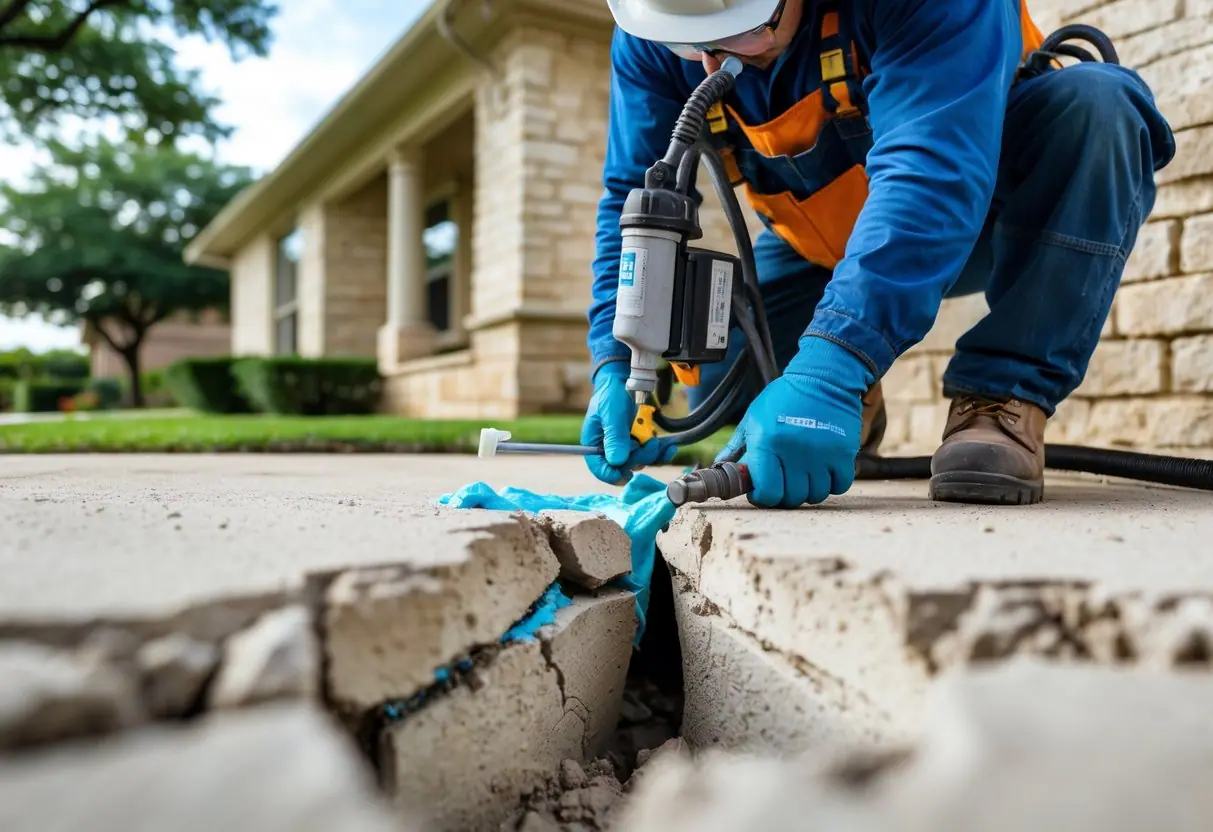
Austin Neighborhoods We Serve
Hyde Park (built 1890s-1940s) – Austin’s first planned suburb contains the city’s highest concentration of historic Victorian, Craftsman, and Colonial Revival homes, nearly all on pier-and-beam foundations. Structural challenges here stem from century-old original piers installed only 6-8 feet deep, massive mature live oak root systems extracting extraordinary soil moisture, and limestone block foundations lacking modern reinforcement. Approximately 40% of Hyde Park homes show measurable structural foundation compromise.
Mueller (developed 2000s-present) – This newer neighborhood on the former airport site faces structural foundation challenges from deep Taylor Clay deposits and rapid clay consolidation under new construction loads. Post-tension slab foundations here experience severe stress from the area’s 15-20 foot clay active zone, with the 2011 and 2022-2023 droughts producing widespread differential settlement. Homes built in Mueller’s first development phases (2007-2012) now reach the age where foundation damage manifests clearly.
Read moreShow less
East Riverside-Oltorf (built 1950s-1990s) – This diverse neighborhood along the Colorado River floodplain contains Austin’s most challenging foundation conditions—deep alluvial clay over limestone bedrock, underground drainage patterns from river proximity, and high water tables that fluctuate 6-10 feet seasonally. Structural repairs here routinely require piers driven to 25+ feet to reach stable bearing strata, making this area’s foundation work among Austin’s most expensive.
West Lake Hills (built 1970s-present) – Despite being outside Austin city limits, this western suburb presents unique structural challenges from Edwards Aquifer limestone topography. Underground water movement creates soil voids and inconsistent moisture patterns that produce catastrophic differential settlement. Many homes here feature hillside foundations where one side bears on solid limestone while the opposite side rests on deep clay fill—a perfect recipe for severe structural movement.
Allandale (built 1950s-1970s) – This established neighborhood of ranch-style homes predominantly features post-tension concrete slab foundations that have reached the age where cable corrosion and inadequate drainage produce structural failures. The area’s dense tree canopy—mostly live oaks and cedar elms planted when homes were new—now consists of mature trees extracting massive soil moisture, compounding foundation stress during Austin’s increasingly intense drought cycles.
Maintaining Your Foundation’s Structural Integrity in Austin
Consistent Soil Moisture Management: Austin’s extreme drought-to-rain cycles stress foundations continuously. Install soaker hoses 12-18 inches from foundations and run them during summer droughts to maintain consistent clay moisture levels. During dry periods exceeding two weeks without rain, water foundation zones twice weekly. This prevents the severe clay shrinkage that initiates structural damage.
Professional Annual Inspections: Have foundations professionally assessed each spring before summer drought season. Early detection of hairline cracks, minor settlement, or drainage failures prevents progression to structural damage. Austin’s rapid soil moisture changes mean foundation conditions can deteriorate dramatically within single seasons—what’s minor in April may become structural by August.
Read moreShow less
Aggressive Tree Root Management: Monitor mature trees within 20 feet of foundations. Live oaks and other deep-rooted species should have root barriers installed along foundation lines to prevent moisture extraction directly beneath structures. Consider consulting arborists about canopy reduction for trees showing signs of drought stress—desperate trees extract even more soil moisture. Hyde Park and Allandale homeowners with heritage oaks face difficult balances between tree preservation and foundation protection.
Drainage System Maintenance: French drains and surface drainage systems require annual inspection and cleaning, particularly after Austin’s intense spring storms that can deliver multiple inches of rain in hours. Clogged drainage allows water to pond against foundations, creating the extreme moisture fluctuations that drive Taylor Clay expansion. Ensure gutters direct water at least 10 feet from foundations and that grading slopes away from buildings.
Plumbing System Monitoring: Given Austin’s freeze risks and aging plumbing infrastructure, monitor water bills for unexplained increases suggesting slab leaks. Under-slab plumbing failures create the soil erosion that causes catastrophic structural settlement. Properties over 30 years old should consider whole-house repipes to prevent the foundation-undermining leaks common in this age of plumbing systems.
Post-Storm Foundation Checks: After significant weather events—especially the multi-inch rain storms common in Austin springs or extended droughts—walk your property perimeter checking for new cracks, doors that suddenly stick, or drainage system failures. Austin’s weather extremes can trigger structural damage rapidly during these transition periods.
When to call for professional structural assessment: If you notice doors and windows becoming progressively harder to operate, cracks widening measurably between seasons, or floors developing new slopes, schedule engineering evaluation immediately. In Austin’s aggressive soil environment, structural foundation damage accelerates exponentially once initiated—problems minor in spring may threaten structural integrity by fall.
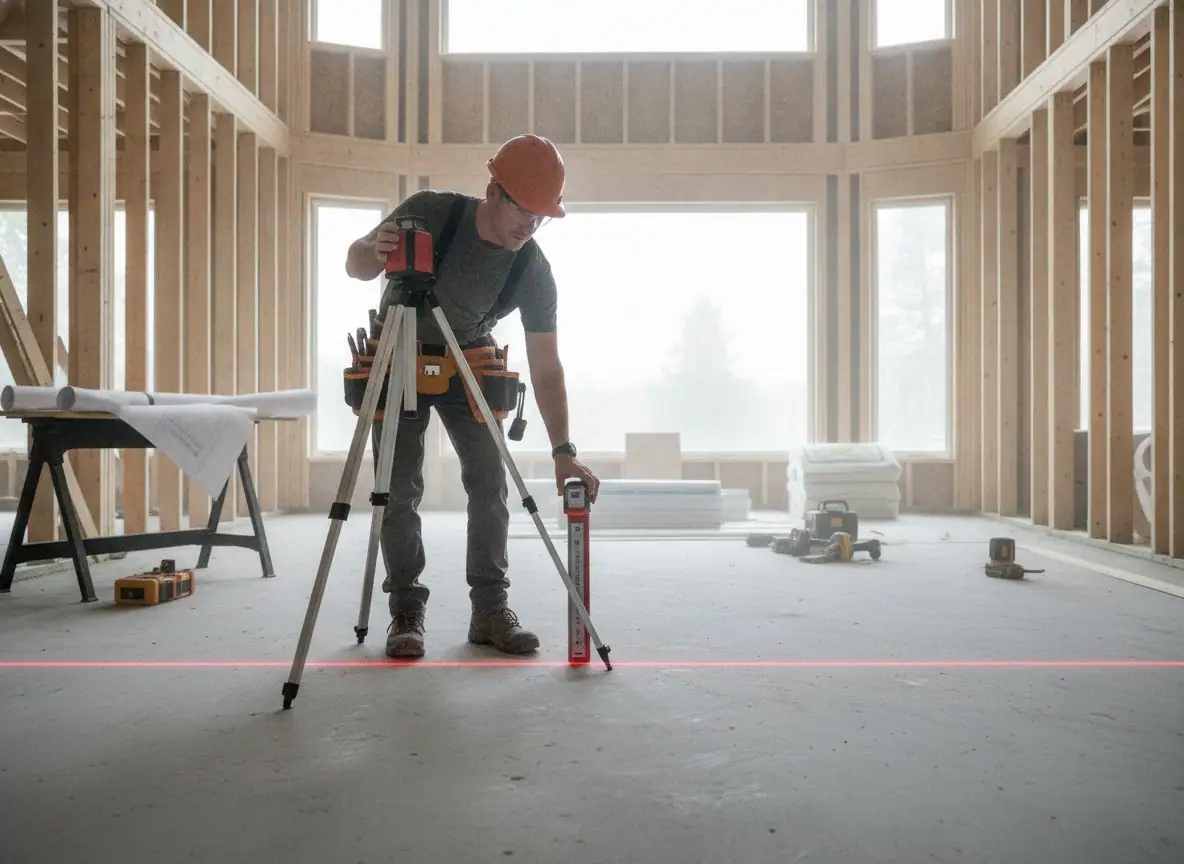
Why Austin Property Owners Choose Hydepark Foundation Repair
For over two decades, Hydepark Foundation Repair has specialized in Austin’s unique structural foundation challenges, with particular expertise in the Taylor Black Clay soil conditions that make this region’s foundation work distinctly complex. As a locally owned, family-operated business, we understand that Austin’s geological realities demand regional expertise—foundation solutions that work in Houston or Dallas fail here because our soil chemistry, climate patterns, and construction history differ fundamentally.
Our structural engineering team holds Texas PE licenses and maintains specialized training in expansive clay soil mechanics and historic foundation preservation. We’ve personally repaired foundations in virtually every Austin neighborhood, from century-old Hyde Park Victorians to modern Mueller developments, giving us incomparable knowledge of how different foundation types perform across Austin’s varied geological zones.
Read moreShow less
We invest in engineering-grade equipment including laser elevation survey systems accurate to 1/16 inch, soil moisture mapping technology, and foundation load-testing apparatus. This technology enables us to diagnose structural problems precisely rather than guessing, ensuring repairs address root causes rather than symptoms.
Every structural foundation repair includes lifetime transferable warranties on all pier systems and structural work—among the strongest warranties available in Austin’s foundation repair industry. We’re confident enough in our engineering and installation quality to guarantee our work for as long as you own your property.
Our project management prioritizes transparency and education. We explain Austin’s soil mechanics in clear terms, show you exactly why your specific foundation failed, and detail how our engineering approach prevents recurrence. Many Austin contractors treat foundation repair as mysterious—we believe informed property owners make better decisions.
Frequently Asked Questions About Structural Foundation Repair
How long does structural foundation repair take in Austin?
Complete structural foundation repair typically requires 3-6 weeks from initial engineering assessment through final certification. This includes 2-3 weeks for Travis County permit approval, 1-2 weeks for actual construction work, and engineering verification time. Emergency stabilization for life-safety situations can begin within 24-48 hours. Projects involving extensive reconstruction or challenging soil conditions in areas like East Riverside-Oltorf may extend to 8-10 weeks.
How much does structural foundation repair cost in Austin?
Costs range from $15,000 for minor structural issues to $75,000+ for severe foundation failures requiring extensive reconstruction. Austin’s deep Taylor Clay in eastern neighborhoods increases costs due to deeper pier requirements—typically 20-25 feet compared to 12-15 feet in western Austin. Historic homes add 15-25% due to preservation requirements. Most residential structural repairs fall in the $30,000-$55,000 range.
Read moreShow less
Can I stay in my home during structural foundation repair?
It depends on damage severity. Most Austin homeowners remain in residence during foundation work, though work areas become temporarily inaccessible. However, if structural engineers determine life-safety risks exist—foundation walls threatening collapse or floors dangerously out of level—we recommend temporary relocation until emergency stabilization completes. About 15% of structural foundation projects require brief evacuation.
Why do Austin foundations need structural repair more than other cities?
Austin sits on Blackland Prairie Taylor Black Clay, one of North America’s most expansive soils. This clay swells and shrinks dramatically with moisture changes, creating lateral pressures exceeding 5,000 pounds per square foot against foundation walls. Combined with Austin’s extreme drought-rain cycles, mature tree root systems, and limestone geology creating underground voids, foundations here face stress combinations rare elsewhere. The 2011 drought, 2015 floods, and 2021 freeze created a perfect storm of accelerated foundation damage across Austin.
Will structural foundation repair increase my home’s value?
Professionally engineered structural repairs with proper documentation and warranties typically restore most or all lost property value. Austin’s real estate market heavily penalizes homes with known structural foundation issues—discounts of 15-30% are common for unrepaired damage. Proper repair with engineering certification removes this liability. However, repair costs often exceed the value recovered, making structural foundation work primarily about safety and habitability rather than investment return.
Should I repair foundation damage before selling in Austin?
Texas law requires sellers to disclose known foundation problems. Attempting to sell with undisclosed structural damage risks legal liability. However, many Austin buyers prefer purchasing at a discount and managing repairs themselves rather than paying full price for homes with completed foundation work. Consult with a real estate professional familiar with Austin’s foundation repair market—strategies vary by neighborhood and damage severity. Properties in desirable areas like Hyde Park may benefit from pre-sale repair; homes in East Riverside might sell faster “as-is.”
Does homeowners insurance cover structural foundation repair in Austin?
Standard Texas homeowners policies typically exclude foundation damage from soil movement, which encompasses most Austin foundation problems. However, if structural damage results from a covered peril—burst pipes from the 2021 freeze, for example—insurance may cover associated foundation repairs. Review your policy carefully and document damage causes thoroughly. Some Austin insurers offer supplemental foundation coverage, though premiums reflect the region’s high claim frequency.
How can I tell if foundation cracks are structural or cosmetic?
Width, location, and progression determine severity. Cracks exceeding 1/4 inch, horizontal cracks in foundation walls, stair-step patterns in masonry, or cracks showing active growth indicate structural issues requiring engineering assessment. Cosmetic cracks are typically hairline, vertical, and stable over time. Given Austin’s aggressive soil conditions, any crack showing seasonal width changes—narrowing during wet periods, widening during drought—suggests underlying structural movement. When uncertain, schedule professional evaluation—Austin’s foundation damage accelerates rapidly once initiated.
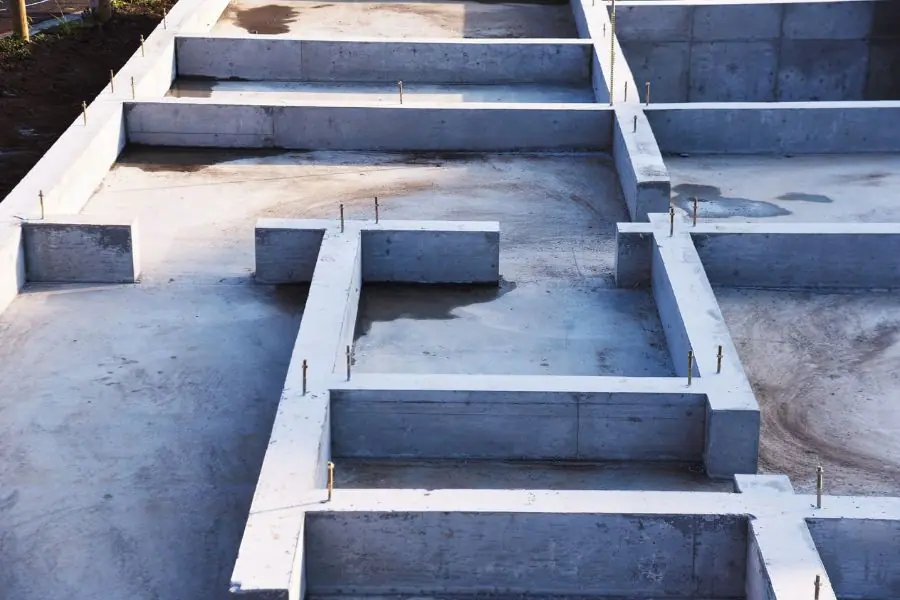
Schedule Your Free Structural Foundation Inspection
Structural foundation damage threatens both your property investment and your family’s safety. If you’ve noticed foundation walls bowing, floors becoming increasingly unlevel, or cracks growing wider during Austin’s seasonal moisture cycles, professional engineering assessment is essential.
Hydepark Foundation Repair provides comprehensive structural foundation inspections throughout Austin at no charge and with no obligation. Our licensed structural engineers will assess your foundation’s current condition, explain how Austin’s unique Taylor Black Clay soil has affected your specific property, and provide detailed repair recommendations with transparent cost estimates.
We serve all Austin-area communities including Hyde Park, Mueller, East Riverside-Oltorf, Allandale, Brentwood, Old West Austin, Pflugerville, Buda, West Lake Hills, and surrounding neighborhoods. Our locally owned team understands Austin’s geological challenges intimately and has successfully repaired thousands of structurally compromised foundations across the region.
Contact us today to schedule your free structural foundation inspection. Call our Austin office at (512) 782-0688 or request an appointment online. For emergency structural situations where foundation failure threatens immediate safety, 24-hour emergency response is available.
Don’t wait until foundation damage progresses from repairable to catastrophic—Austin’s aggressive soil conditions can turn minor structural problems into major safety hazards within a single drought-rain cycle. Let our structural engineering expertise protect your most valuable asset.
Our team is ready to answer your questions and provide customized solutions for all your foundation repair needs.
Our team is ready to answer your questions and provide customized solutions for all your foundation repair needs.
Why choose us
Why choose Hydepark Foundation Repair?
Free estimates
Get a clear, no-obligation estimate before any work begins.
Licensed & insured
Your property and our crew are protected on every project.
Residential & commercial
One team for homes, multi-family and commercial properties.
Locally owned & operated
A local team serving your community and the surrounding area.
Get in touch
Find foundation repair help near you
Request a free estimate online or give us a call — our team will follow up quickly.
- Call us(512) 782-0688
- Visit3800 N Lamar Blvd suite 200 02, Austin, TX 78756
- HoursMon-Sun: 07:00 – 19:00