
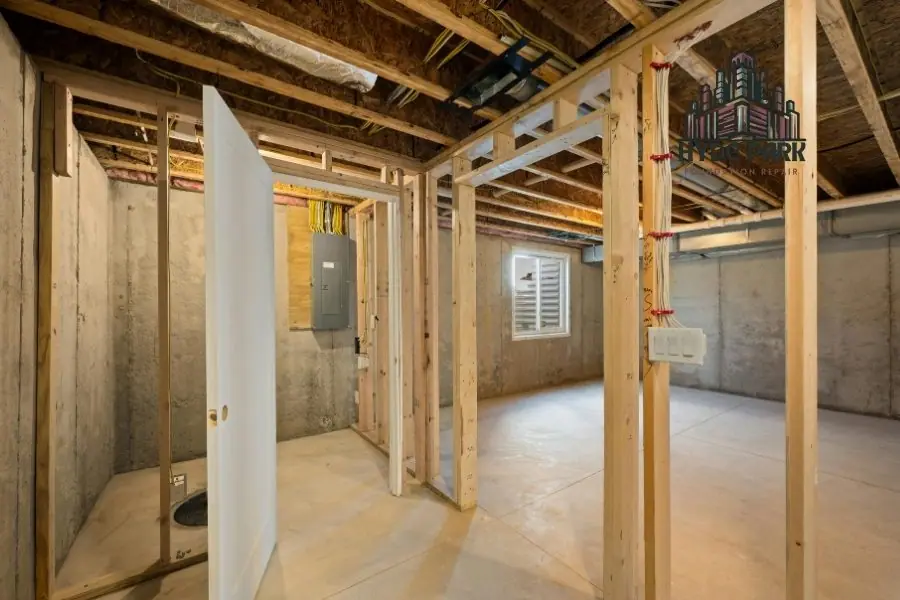
Bowing Foundation Wall in Austin, TX: Causes, Signs & Solutions
Bowing foundation wall in Austin, TX homes is a common structural issue that appears as inward-curving or leaning foundation walls, horizontal cracking, or sections of masonry pushing into the crawl space or basement. In Austin, expansive Taylor Black Clay soil, limestone bedrock transitions, intense drought cycles, and sudden heavy rains create unique lateral soil pressure that causes bowing foundation wall damage to develop in older pier-and-beam homes, crawl space foundations, and some slab-on-grade structures.
Get Your Free Quote Now
What Are Bowing Foundation Walls?
Bowing foundation walls occur when exterior soil pressure pushes foundation walls inward. Homeowners typically notice walls curving toward the interior, stair-step or horizontal cracks, or sections that feel uneven when touched. You may see this inside crawl spaces, basements, garages, or along perimeter stem walls.
In Austin homes, bowing foundation wall damage generally appears in three forms:
Type 1: Minor Deflection
Slight inward curve under 1 inch. Often visible as hairline horizontal cracking. Usually early-stage and monitorable.
Type 2: Moderate Bowing
Noticeable inward lean of 1–2 inches with widening cracks. Indicates active soil pressure and requires professional evaluation.
Type 3: Structural Failure
Large displacement (2+ inches), shearing or separation at mortar joints, doors/windows above sticking. Signals urgent repair.
Read moreShow less
These problems usually develop gradually over months or years. Seasonal soil expansion increases pressure little by little until the wall begins bending. Understanding which type of bowing foundation wall in Austin, TX you’re seeing helps determine urgency and repair strategy.
Why Austin Homes Get Bowing Foundation Walls
Taylor Black Clay Soil & Expansive Soil Pressure
Austin sits on the Blackland Prairie, dominated by Taylor-Austin Black Clay — an expansive montmorillonite clay capable of 30% volume change between dry and wet conditions. This clay forms an “active zone” extending 10–20 feet below the surface in many east and central Austin neighborhoods.
Here’s how the mechanism works:
Drought → Soil Shrinkage → Gaps form near foundation → Heavy rain → Rapid swelling → Lateral pressure builds → Wall bends inward
During dry summers (like 2011, 2022, and 2023), clay shrinks and pulls away from foundation walls. When fall or spring storms arrive, the clay rehydrates quickly and expands aggressively. Because expansion occurs horizontally as well as vertically, it pushes sideways against foundation walls with thousands of pounds of force per square foot.
Read moreShow less
Unlike floors that settle vertically, walls resist sideways pressure poorly. Over repeated cycles, masonry and concrete slowly flex inward until bowing occurs.
Neighborhoods with deeper clay deposits, such as East Austin and Pflugerville, often experience more dramatic movement. West Lake Hills, where clay sits over limestone shelves, sees uneven pressure zones that stress walls differently along the same structure.
Secondary Cause: Poor Drainage
Austin’s intense rain events can dump inches of water in hours. If gutters or grading fail, saturated soil increases hydrostatic pressure against walls.
Secondary Cause: Tree Root Moisture Loss
Live oaks and pecans can extract 100+ gallons of water daily, drying soil near foundations and worsening shrink-swell cycles.
Free, no-obligation estimates
Talk to Hydepark Foundation Repair
Tell us what you need and we’ll take it from there.
Signs of Bowing Foundation Walls in Austin Homes
Early Warning Signs
- Hairline horizontal cracks
- Slight wall curvature
- Minor gaps between wall and framing
- Crawl space doors misaligning
Progressive Symptoms
- Cracks wider than 1/4 inch
- Stair-step brick cracks
- Interior drywall cracking above foundation
- Floors sloping toward walls
- Doors/windows sticking
Austin Seasonal Patterns
In Austin, bowing foundation wall problems often worsen after heavy spring rains or post-drought storms. Hyde Park and Allandale homeowners commonly notice changes late summer or early fall when soil cycles peak.
Inspect after:
- Extended drought
- Major storms
- Plumbing leaks
- Annually each fall
When Are Bowing Foundation Walls Serious?
Minor (Monitor)
- Less than 1 inch deflection
- Hairline cracks
- No movement over time
Action: Seal and inspect yearly
Moderate (Schedule Repair)
- 1–2 inch inward curve
- Widening cracks
- Seasonal movement
Action: Professional inspection recommended
Severe (Immediate Attention)
- Over 2 inches displacement
- Horizontal cracking across full wall
- Wall separating from structure
Action: Call immediately
Active vs Stable:
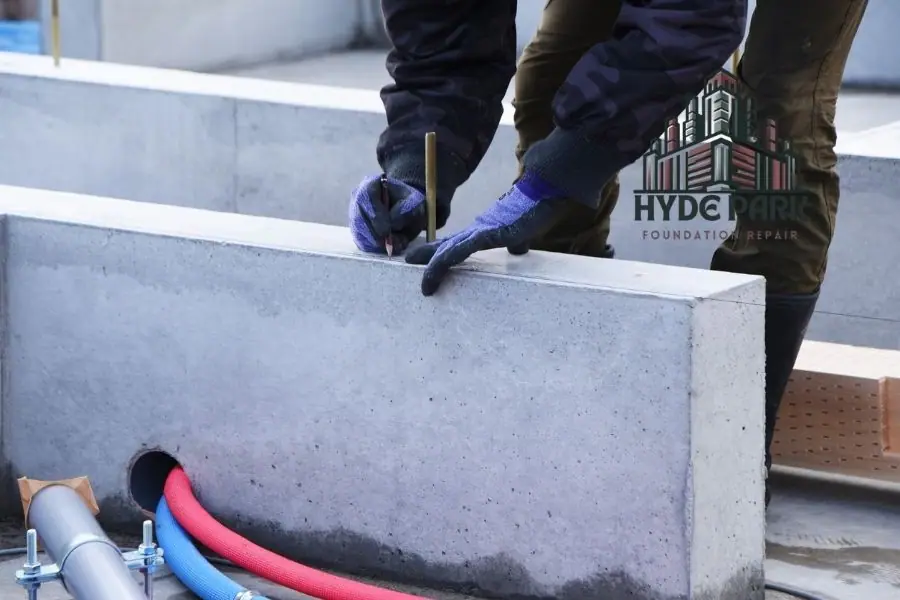
Mark crack ends with pencil and date. If expansion continues over months, it’s active. Some seasonal shifting is normal in Austin, but progressive growth indicates structural issues.

How to Fix Bowing Foundation Walls in Austin
Preventing Bowing Foundation Walls in Austin Homes
- Maintain consistent soil moisture during summer droughts
- Keep gutters/downspouts clear, direct water 5+ feet away
- Improve grading so water flows away from foundation
- Avoid planting large trees within 15 feet
- Check crawl spaces annually
- Schedule routine foundation repair inspections
Seasonal monitoring is key in Austin due to constant soil cycling.
Bowing Foundation Wall Repair Cost in Austin
Costs vary by severity:
Minor Repairs: $500–$2,000
Crack sealing or minor reinforcement
Moderate Repairs: $3,000–$8,000
Wall anchors or braces
Major Repairs: $8,000–$20,000+
Structural rebuild + foundation stabilization
Austin Cost Factors
- Clay depth
- Drainage conditions
- Crawl space accessibility
- Extent of wall displacement
Early repairs cost far less than waiting. Hydepark Foundation Repair offers free inspections and financing options.

Bowing Foundation Walls in Austin Neighborhoods
Frequently Asked Questions About Bowing Foundation Walls in Austin
They range from cosmetic to structural. Minor deflection may only need monitoring, but larger displacement requires repair.
Expansive clay soil swelling after rain creates lateral pressure against foundation walls.
Typically $500–$20,000+ depending on severity and method.
Yes. Austin’s seasonal cycles usually increase pressure each year.
Most policies exclude soil movement but may cover sudden water damage. Check your provider.
When to Call for Bowing Foundation Wall Inspection
Schedule a professional inspection if you notice:
- Horizontal cracks
- Inward leaning walls
- Sticking doors/windows
- Growing gaps
Hydepark Foundation Repair provides free, no-obligation inspections throughout Austin. Our team evaluates bowing foundation wall in Austin, TX homes, identifies causes, and recommends lasting solutions.
If walls appear severely displaced or separating, call immediately. Schedule your free inspection today.
Our team is ready to answer your questions and provide customized solutions for all your foundation repair needs.
Why choose us
Why choose Hydepark Foundation Repair?
Free estimates
Get a clear, no-obligation estimate before any work begins.
Licensed & insured
Your property and our crew are protected on every project.
Residential & commercial
One team for homes, multi-family and commercial properties.
Locally owned & operated
A local team serving your community and the surrounding area.
Get in touch
Find foundation repair help near you
Request a free estimate online or give us a call — our team will follow up quickly.
- Call us(512) 782-0688
- Visit3800 N Lamar Blvd suite 200 02, Austin, TX 78756
- HoursMon-Sun: 07:00 – 19:00