
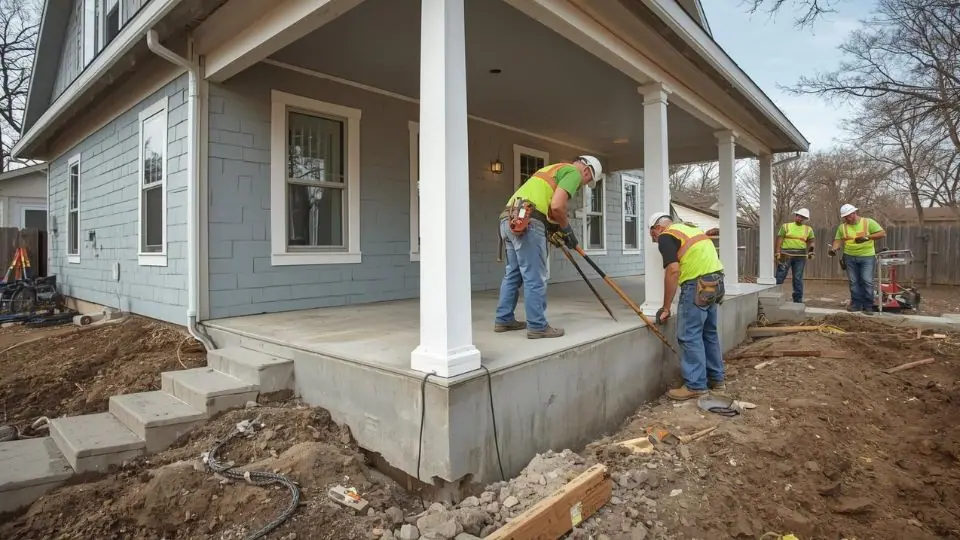
Slab Leak in Austin, TX
Slab leak in Austin, TX affects an estimated 20–30% of slab-on-grade homes during their lifetime, often showing up as unexplained water bills, warm spots on floors, musty odors, or cracks forming in concrete and interior walls. In Austin, the defining geographic factor is expansive Central Texas clay soil, which expands when saturated and shrinks dramatically during drought. This constant soil movement places stress on underground plumbing lines embedded beneath concrete slabs—creating ideal conditions for slab leaks to develop in all building types, from older bungalows to newer subdivisions.
Get Your Free Quote Now
What Are Slab Leaks?
Slab leaks occur when water supply or drain lines running beneath a home’s concrete slab develop leaks. Because these pipes are hidden below the foundation, slab leaks are rarely visible at first. Instead, homeowners notice indirect signs such as warm or damp flooring, unexplained moisture, or foundation movement.
In Austin homes, slab leaks often go unnoticed for weeks or months, allowing water to erode soil beneath the slab and weaken foundation support.
Common Types of Slab Leaks in Austin Homes
Hot Water Line Leaks
Often noticed due to warm spots on flooring. These leaks are common in older homes with copper piping.
Cold Water Line Leaks
Harder to detect because they don’t produce heat, but they can cause continuous moisture and soil erosion beneath the slab.
Read moreShow less
Drain or Sewer Line Leaks
Usually develop slowly and may produce odors, damp soil, or mold growth before structural symptoms appear.
How Slab Leaks Develop
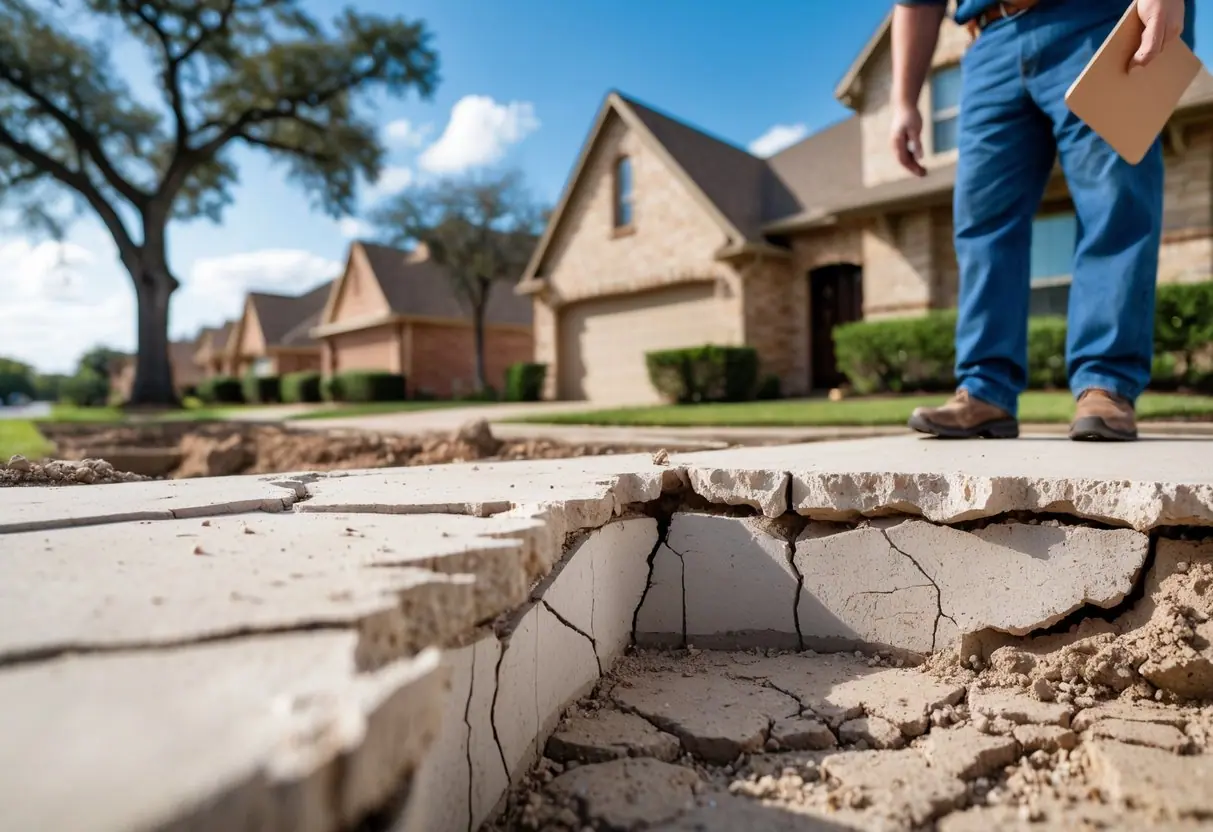
Slab leaks typically begin when underground pipes experience stress from soil movement, corrosion, or aging materials. As pipes crack or separate, leaking water saturates the surrounding clay soil. Over time, this softens and erodes the soil, creating voids beneath the slab. Without uniform support, the concrete slab may crack, sink, or shift—turning a plumbing issue into a foundation problem.
Understanding the type of slab leak you’re dealing with helps determine urgency and the most effective repair approach.
Why Austin Homes Get Slab Leaks
Expansive Clay Soil & Climate Cycles (Primary Cause)
Austin sits on the Blackland Prairie, dominated by Taylor and Austin Black Clay, a highly expansive montmorillonite clay. This soil can shrink by up to 30% during extended drought and swell significantly during periods of heavy rainfall. The active soil zone typically reaches 10–15 feet below ground, with deeper deposits exceeding 20 feet in eastern neighborhoods such as Mueller and East Riverside.
This constant soil movement places ongoing stress not only on foundations but also on the plumbing lines encased beneath concrete slabs. Over time, this interaction between soil, slab, and plumbing is one of the leading reasons homeowners require slab repair and professional evaluation from a qualified concrete contractor.
Read moreShow less
The Cause-and-Effect Mechanism
- Summer drought dries clay soil
- Clay shrinks and pulls away from pipes and slabs
- Underground plumbing loses stable soil support
- Pipe joints and fittings experience repeated stress
- Cracks or separations form → slab leak begins
When fall rains return, the clay soil rehydrates and expands, pushing back against plumbing lines and concrete slabs from different angles. This repeated shrink–swell cycle accelerates pipe fatigue and weakens joints over time. Even properly installed plumbing systems can eventually fail under these conditions, leading to slab leaks that often require emergency repair to prevent further damage.
Austin’s major drought years—2011, 2022, and 2023—closely align with increased slab leak detection and repair calls across the city. Homes in Hyde Park, Allandale, and Brentwood, many of which were built between the 1940s and 1970s, are particularly vulnerable due to aging copper or cast-iron plumbing combined with decades of soil movement. In these cases, a thorough foundation inspection is often necessary to determine whether slab movement or soil erosion has already affected the structural integrity of the home.
Free, no-obligation estimates
Talk to Hydepark Foundation Repair
Tell us what you need and we’ll take it from there.
Secondary Causes of Slab Leaks
Aging Plumbing Materials
Many older Austin homes were constructed with copper piping, which can corrode over time due to local soil chemistry and water quality. As pipes thin and weaken, they become more susceptible to cracking under soil and slab movement, increasing the likelihood of slab leaks that require targeted slab repair.
Foundation Movement
As foundations settle or shift due to expansive clay soil changes, rigid plumbing lines embedded in concrete are forced to absorb that movement. This stress often leads to joint separation or pipe fractures beneath the slab. In these situations, a professional foundation inspection helps determine whether foundation movement contributed to the leak and whether additional concrete or structural repairs are needed to prevent recurrence.
Signs of Slab Leaks in Austin Homes
Early Warning Signs
- Unexplained increase in water bills
- Warm or damp spots on floors
- Reduced water pressure
- Sound of running water when fixtures are off
Advanced Symptoms
- Cracks forming in floors or walls
- Mold or mildew odors
- Standing water near foundation edges
- Noticeable foundation movement or settling
Austin-Specific Patterns
In Austin, slab leaks often worsen after summer drought when soil contracts, stressing pipes. Homeowners in Rosedale, North Loop, and Zilker frequently report leaks becoming noticeable in late summer or early fall. During wetter months, symptoms may seem to improve, but underlying damage continues unless repairs are made.
Inspect for slab leaks after prolonged drought, if your water bill spikes suddenly, or if you notice new foundation cracks.
When Are Slab Leaks Serious?
Minor (Monitor Closely)
- Slight water bill increase
- No visible foundation damage
Action: Schedule slab leak detection promptly
Moderate (Schedule Repair)
- Persistent moisture or warm floor spots
- Minor foundation cracks
Action: Professional slab leak repair recommended
Severe (Immediate Attention)
- Foundation movement or sinking
- Mold growth or standing water
Action: Emergency slab leak repair in Austin, TX required
Mark crack growth and monitor moisture—progression indicates active damage.
How to Fix Slab Leaks in Austin, TX
Preventing Slab Leaks in Austin Homes
- Consistent Foundation Watering: Reduces extreme soil shrinkage during drought
- Annual Plumbing Inspections: Especially for homes over 30 years old
- Monitor Water Bills: Sudden increases often indicate hidden leaks
- Address Foundation Movement Early: Stabilizing foundations reduces pipe stress
- Upgrade Aging Pipes: Proactive replacement prevents future slab leaks
Seasonal awareness is key—most slab leaks in Austin develop during prolonged dry periods.
Slab Leak Repair Cost in Austin, TX
Slab leak repair costs in Austin vary based on severity and access:
- Minor Detection & Repair: $500–$2,000
- Moderate Repairs: $2,000–$6,000
- Major Repairs with Foundation Work: $6,000–$15,000+
Cost factors include slab thickness, pipe location, soil conditions, and foundation damage. Early detection almost always reduces total repair costs.
Slab Leaks Across Austin Neighborhoods
- Hyde Park: Older plumbing systems under pier-and-beam and slab hybrids
- Mueller: Deep clay soils amplify pipe stress despite newer construction
- West Lake Hills: Shallow clay over limestone creates uneven pipe support
If you live in these areas, regular monitoring is especially important.
Our team is ready to answer your questions and provide customized solutions for all your foundation repair needs.
Frequently Asked Questions About Slab Leaks in Austin, TX
Yes. Even small leaks can cause foundation damage if left unaddressed.
Expansive clay soil movement combined with aging or stressed plumbing lines.
Almost always, especially during drought cycles.
Coverage varies; some policies cover sudden leaks but not long-term damage.
Yes, but disclosure and repair are critical for property value.
When to Call for a Slab Leak Inspection
Schedule a professional inspection if you notice:
- Sudden water bill increases
- Warm or damp flooring
- Mold odors or moisture buildup
- New foundation cracks
Hydepark Foundation Repair offers free, no-obligation slab leak and foundation inspections throughout Austin, TX. Early evaluation helps prevent plumbing issues from turning into costly structural repairs.
Our team is ready to answer your questions and provide customized solutions for all your foundation repair needs.
Why choose us
Why choose Hydepark Foundation Repair?
Free estimates
Get a clear, no-obligation estimate before any work begins.
Licensed & insured
Your property and our crew are protected on every project.
Residential & commercial
One team for homes, multi-family and commercial properties.
Locally owned & operated
A local team serving your community and the surrounding area.
Get in touch
Find foundation repair help near you
Request a free estimate online or give us a call — our team will follow up quickly.
- Call us(512) 782-0688
- Visit3800 N Lamar Blvd suite 200 02, Austin, TX 78756
- HoursMon-Sun: 07:00 – 19:00