
Sagging Floors in Austin, TX: Causes, Signs & Solutions
Sagging floor in Austin, TX homes is a surprisingly common foundation symptom, often felt as soft spots, uneven walking surfaces, sloping rooms, or doors that suddenly don’t line up. Floors may dip toward the center of the house, bounce when stepped on, or feel out of level from one side of the room to the other. In Austin, Taylor Black Clay soil, limestone transitions, intense drought cycles, heavy flash rains, and mature live oak root systems create unique stress on foundations that cause sagging floors to develop in older pier-and-beam homes, crawl spaces, and some slab foundations.
Get Your Free Quote Now
What Are Sagging Floors?
Sagging floors appear as noticeable dips, slopes, or soft areas when walking through a home. You might feel furniture tilt slightly, notice gaps under baseboards, or see doors and cabinets shifting out of alignment. In crawl space homes, the floor may even bounce or creak more than usual.
In Austin homes, sagging floors generally show up in three categories:
Type 1: Minor Unevenness
Slight slopes under 1/2 inch across a room. Often cosmetic and common in older houses.
Type 2: Moderate Deflection
Visible dips or bouncy areas where floor joists or beams are weakening. Indicates structural movement that should be evaluated.
Type 3: Structural Sagging
Clear depressions, sloping greater than 1–2 inches, doors sticking, and cracks forming in walls. Requires professional repair.
Read moreShow less
Most sagging floor in Austin, TX cases begin gradually. As soil shifts or wood framing weakens, supports lose alignment. Over time, gravity amplifies the problem. Recognizing which type you have helps determine urgency and the best repair solution.
Why Austin Homes Get Sagging Floors
Taylor Black Clay Soil & Seasonal Movement
Austin sits on the Blackland Prairie, dominated by expansive Taylor-Austin Black Clay, a montmorillonite clay capable of shrinking up to 30% during drought and swelling dramatically after rain. This clay forms an “active zone” often 10–20 feet deep beneath neighborhoods east and central to downtown.
Here’s the mechanism:
Summer drought → clay shrinks → soil pulls away from piers/footings → supports lose bearing → floors settle → heavy rain returns → clay expands unevenly → beams lift in some spots and drop in others → sagging develops
Pier-and-beam homes are especially vulnerable. These homes rely on small concrete piers and wood beams transferring loads into soil. When soil contracts, piers lose support and sink slightly. When soil expands again, pressure is uneven. This causes beams to twist or tilt, which creates soft, uneven floors above.
Read moreShow less
Austin’s climate exaggerates this process. The 2011 drought, the 2021 winter freeze, and the 2022–2023 summer heat waves caused extreme moisture swings. Each cycle adds cumulative stress to foundations. After several years, minor unevenness turns into noticeable sagging.
Neighborhood differences matter too:
- East Austin & Pflugerville: deeper clay (20+ ft) → greater settlement
- West Lake Hills: clay over limestone → irregular support
- Hyde Park: older wood framing + big trees → moisture loss near piers
Secondary Cause: Crawl Space Moisture & Rot
Humidity, plumbing leaks, or poor ventilation in crawl spaces soften wooden beams and joists. Wood loses strength, bends under load, and contributes to sagging.
Secondary Cause: Aging Construction
Homes built pre-1960s often used untreated lumber and shallow piers. After decades, natural wear leads to deflection and unevenness.
Free, no-obligation estimates
Talk to Hydepark Foundation Repair
Tell us what you need and we’ll take it from there.
Signs of Sagging Floors in Austin Homes
Early Warning Signs
- Slight slopes you feel while walking
- Soft or bouncy areas
- Creaking sounds
- Small drywall cracks above doors
Progressive Symptoms
- Noticeable dips or depressions
- Doors/windows sticking
- Gaps under baseboards
- Cabinets pulling away from walls
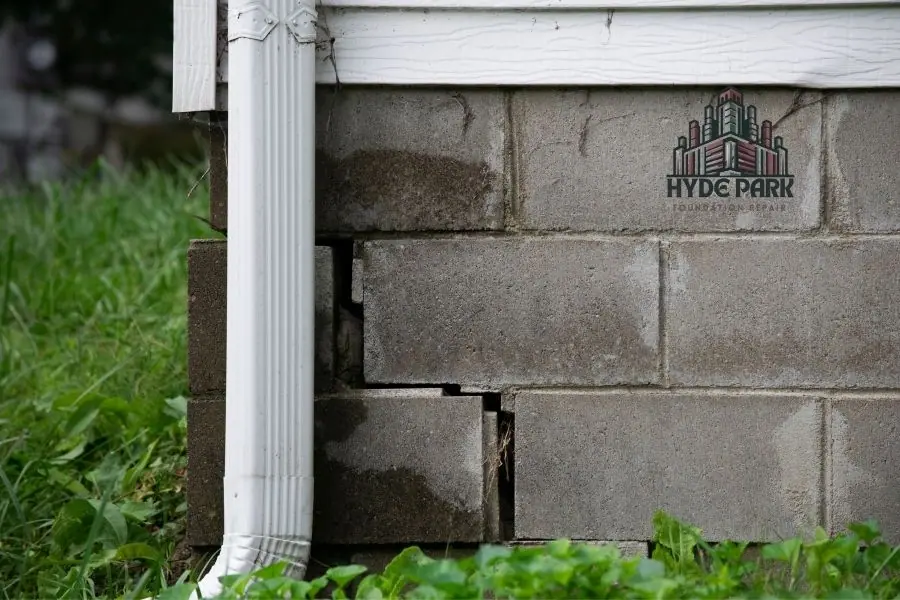
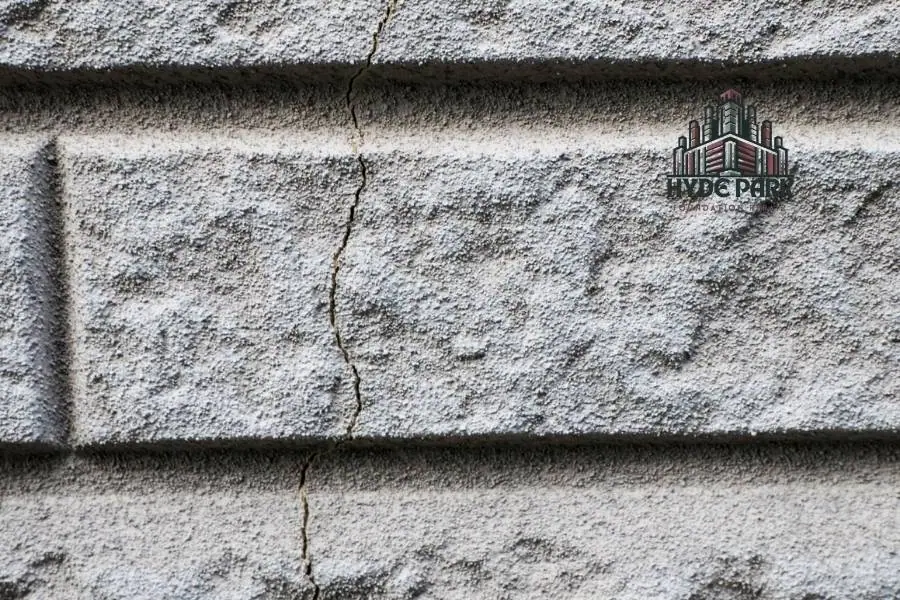
- Stair-step brick cracks outside
Austin Seasonal Patterns
In Austin, sagging floors often worsen late summer after drought or after heavy spring storms. Homeowners in Hyde Park and Allandale frequently notice more movement during August–October when soil shrinkage peaks.
When to Inspect
- After extended drought
- After heavy rainstorms
- Before selling your home
- Annually each fall
When Are Sagging Floors Serious?
Minor (Monitor)
- Less than 1/2 inch slope
- No structural cracks
- Stable year to year
Action: Monitor annually
Moderate (Schedule Repair)
- Bouncy or soft spots
- 1 inch unevenness
- Visible beam shifting
Action: Professional assessment
Severe (Immediate Attention)
- Major depressions
- Multiple sticking doors
- Foundation cracks or separation
Action: Call immediately
Active vs Stable
Place a marble on the floor. If it rolls farther over time, movement is active. In Austin, slight seasonal change is normal, but progressive sagging indicates foundation problems needing repair.
How to Fix Sagging Floors in Austin
Preventing Sagging Floors in Austin Homes
- Water soil lightly during summer droughts
- Maintain gutters/downspouts
- Keep crawl spaces ventilated
- Fix plumbing leaks immediately
- Avoid large trees within 15–20 feet of foundation
- Schedule annual foundation inspections
Seasonal Recommendations
- Summer: maintain moisture
- Spring: check drainage
- Fall: inspect crawl space
- Winter: monitor after freezes
Consistent moisture control is the single biggest prevention strategy in Austin.
Sagging Floor Repair Cost in Austin
Repair costs vary by severity:
Minor Repairs: $500–$2,000
Shimming or small joist reinforcement
Moderate Repairs: $3,000–$8,000
Beam repairs or added supports
Major Repairs: $8,000–$20,000+
Full leveling or underpinning
Austin Cost Factors
- Clay soil depth
- Crawl space accessibility
- Lumber replacement needs
- Drainage corrections
Early repair is far cheaper than waiting. Hydepark Foundation Repair provides free inspections and financing options. See our full cost guide for details.
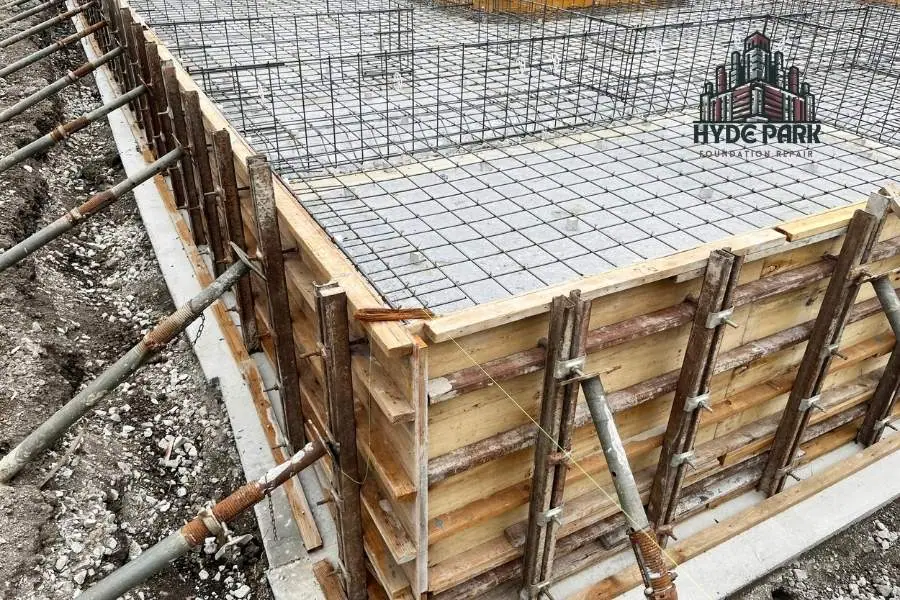
Sagging Floors in Austin Neighborhoods
Frequently Asked Questions About Sagging Floors in Austin
They range from minor cosmetic slopes to structural concerns. Significant deflection requires repair.
Expansive clay soil shrinking and swelling reduces support under piers and beams, causing settlement.
Most homeowners spend between $3,000–$8,000, depending on severity.
Yes. Austin’s seasonal cycles typically increase movement each year.
Usually not, unless caused by sudden plumbing damage or a covered event.
When to Call for Sagging Floor Inspection
Schedule a professional inspection if you notice:
- Sloping or dipping floors
- Bouncy areas
- Sticking doors/windows
- New cracks or gaps
Hydepark Foundation Repair provides free, no-obligation inspections throughout Austin. We diagnose sagging floors, identify causes, and recommend permanent solutions using proven foundation repair techniques.
If floors feel unsafe or significantly uneven, call immediately.Schedule your free inspection today.
Our team is ready to answer your questions and provide customized solutions for all your foundation repair needs.
Why choose us
Why choose Hydepark Foundation Repair?
Free estimates
Get a clear, no-obligation estimate before any work begins.
Licensed & insured
Your property and our crew are protected on every project.
Residential & commercial
One team for homes, multi-family and commercial properties.
Locally owned & operated
A local team serving your community and the surrounding area.
Get in touch
Find foundation repair help near you
Request a free estimate online or give us a call — our team will follow up quickly.
- Call us(512) 782-0688
- Visit3800 N Lamar Blvd suite 200 02, Austin, TX 78756
- HoursMon-Sun: 07:00 – 19:00