
Sinking Foundation in Austin, TX
Sinking foundation in Austin, TX affects an estimated 60–80% of homes over their lifetime, often showing up as sloping floors, cracks in walls or ceilings, gaps around doors and windows, or sections of the home that feel uneven underfoot. In Austin, the defining geographic factor is expansive Central Texas clay soil, which expands when wet and shrinks dramatically during drought. This soil behavior creates unique challenges that cause sinking foundations to develop in all building types, including slab-on-grade homes, pier-and-beam houses, and commercial structures.
Get Your Free Quote Now
What Is a Sinking Foundation?
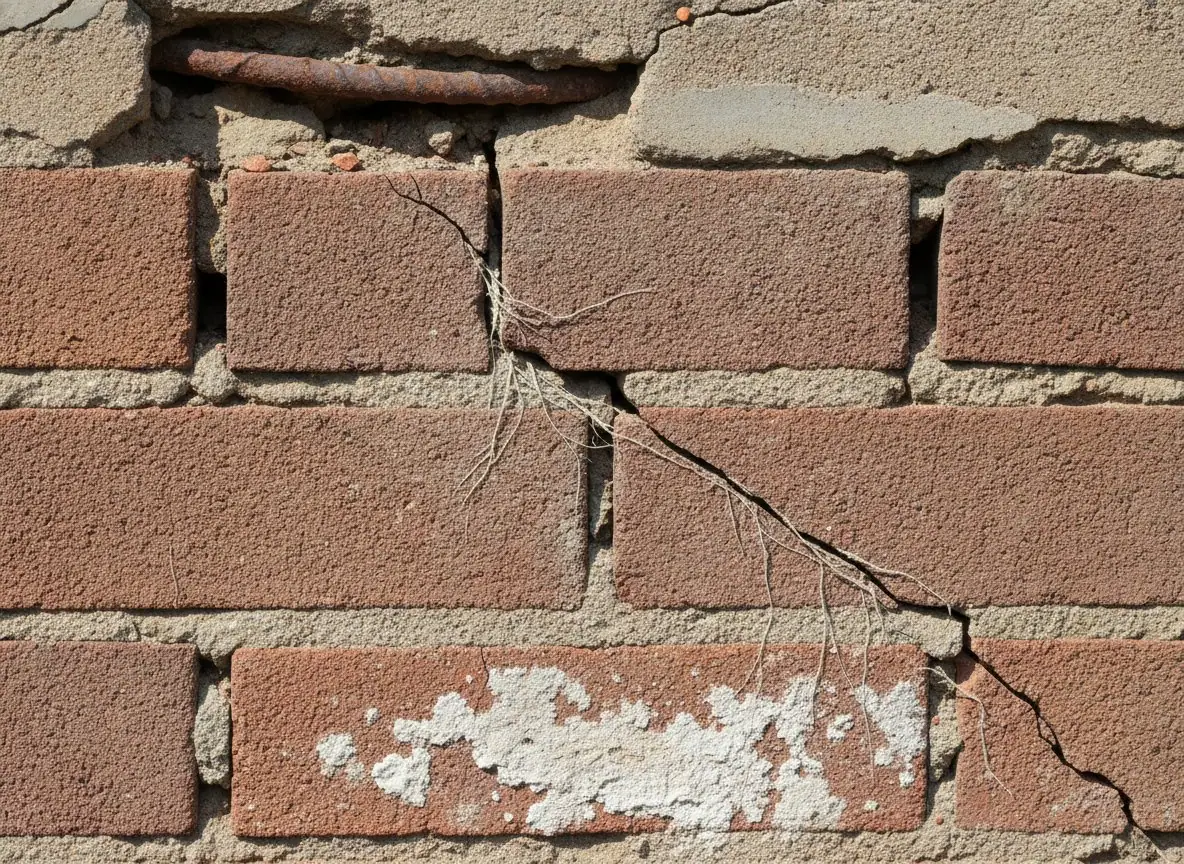
A sinking foundation occurs when a home’s foundation drops unevenly into the soil beneath it, losing its original level position. Homeowners typically notice foundation sinking through visible changes such as sloping or uneven floors, cracks forming in drywall or exterior masonry, gaps between walls and ceilings, or doors and windows that stick or no longer align properly.
In Austin homes, foundation sinking often develops gradually rather than suddenly. It may feel subtle at first—slightly uneven flooring or a door that rubs—before becoming more obvious after seasonal weather changes.
Common Types of Foundation Sinking in Austin Homes
Uniform Sinking
The entire foundation settles evenly into the soil. This usually occurs shortly after construction as soil compacts and is often stable once complete.
Read moreShow less
Differential Sinking
One section of the foundation sinks more than others. This is the most common and concerning type in Austin, leading to structural stress, cracks, and misalignment. Differential sinking often requires professional foundation sinking repair in Austin, TX.
Progressive (Active) Sinking
Foundation sinking that continues over time due to ongoing soil movement. This type signals an active issue and typically requires foundation leveling for sinking in Austin, TX using engineered repair methods.
How Foundation Sinking Develops
Foundation sinking begins when soil beneath the foundation loses its ability to support the weight of the structure. In Austin, this most often occurs due to moisture loss in expansive clay soils. As the soil shrinks, voids form beneath the foundation, allowing portions of the structure to drop unevenly. Over time, this uneven support creates stress throughout the home, leading to visible damage.
Understanding which type of sinking foundation you’re experiencing helps determine urgency and the most effective repair solution.
Why Austin Homes Get Sinking Foundations
Expansive Central Texas Clay Soil (Primary Cause)
Austin sits on the Blackland Prairie, characterized by Taylor and Austin Black Clay, a highly expansive montmorillonite clay. This soil can shrink by up to 30% during prolonged drought and swell significantly when saturated. The active soil zone typically extends 10–15 feet below ground, with deeper deposits exceeding 20 feet in parts of east and north Austin, including Mueller and Pflugerville.
The Cause-and-Effect Mechanism
- Extended drought dries clay soil
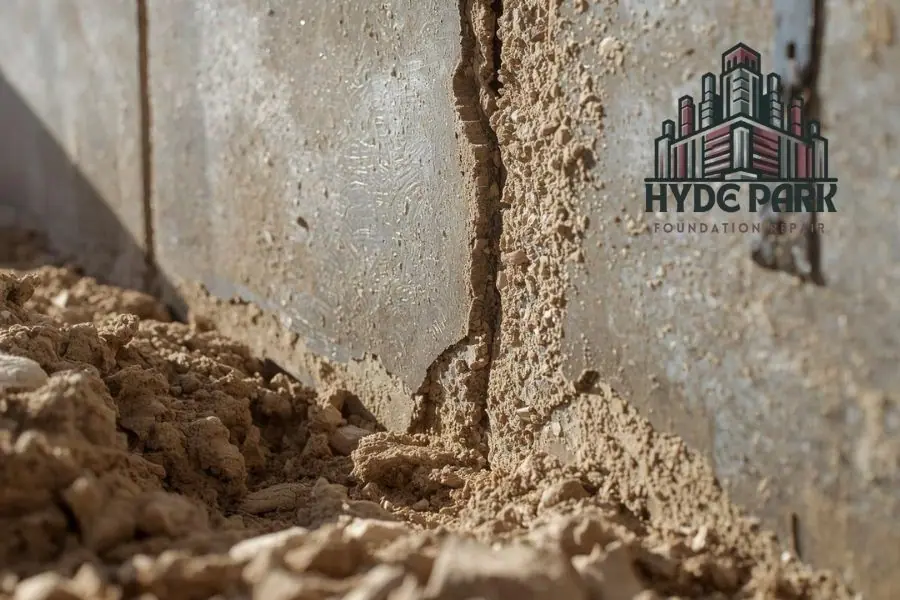
- Clay shrinks and pulls away from foundation edges
- Soil loses load-bearing capacity
- Portions of the foundation lose support
- The structure sinks unevenly
Austin’s severe drought years—2011, 2022, and 2023—caused widespread foundation sinking across the metro area. When heavy rains return, clay soil swells again, but not always evenly. This cycle of shrinkage and expansion creates cumulative damage, causing foundations to sink progressively over time.
Read moreShow less
Neighborhoods such as Hyde Park and Rosedale feature mature live oak trees, which can extract 100+ gallons of soil moisture per day, intensifying soil shrinkage near foundations. In western areas like West Lake Hills, shallow clay over limestone creates uneven support zones that further contribute to foundation sinking.
Secondary Causes of Foundation Sinking
Poor Drainage and Erosion
Heavy rainfall combined with inadequate drainage can wash soil away from foundation edges, accelerating sinking.
Plumbing Leaks Beneath Slabs
Undetected slab leaks saturate soil, weakening its load-bearing capacity and creating localized foundation sinking.
Free, no-obligation estimates
Talk to Hydepark Foundation Repair
Tell us what you need and we’ll take it from there.
Signs of a Sinking Foundation in Austin Homes
Early Warning Signs
- Slightly sloping or uneven floors
- Hairline cracks in drywall near doors or windows
- Doors or windows beginning to stick seasonally
Advanced Symptoms
- Noticeable floor slope or soft spots
- Cracks widening beyond 1/4 inch
- Gaps between walls and ceilings
- Cabinets or trim pulling away from walls
Austin-Specific Patterns
In Austin, sinking foundations often worsen after summer drought, especially from August through October. Homeowners in Hyde Park, Allandale, and Brentwood frequently notice issues near large trees or older additions. Symptoms may lessen during wetter months, only to return the following dry season—indicating active soil movement.
Inspect foundations after prolonged droughts, before buying or selling a home, and annually each fall.
When Is a Sinking Foundation Serious?
Minor Sinking (Monitor)
- Slight floor slope
- Hairline interior cracks
- Common due to normal soil cycles in Austin
Action: Monitor annually
Moderate Sinking (Schedule Repair)
- Cracks 1/8″–1/4″ wide
- Doors and windows sticking consistently
- Common in slab homes throughout North Austin and Pflugerville
Action: Professional assessment recommended
Severe Sinking (Immediate Attention)
- Significant floor slope or visible foundation drop
- Cracks wider than 1/4″
- Structural separation or misalignment
Action: Call immediately—active sinking can worsen quickly in Austin’s soil conditions
Mark cracks and measure floor slope over time to determine if sinking is active or stable.
How to Fix a Sinking Foundation in Austin, TX
Preventing a Sinking Foundation in Austin Homes
- Consistent Foundation Watering: Maintain even soil moisture during summer drought
- Drainage Management: Ensure gutters and grading direct water away from foundations
- Tree Moisture Control: Extra watering near large trees; avoid planting close to foundations
- Annual Inspections: Check foundations each fall after drought stress
- Early Intervention: Address small issues before they escalate
Seasonal monitoring is one of the most effective ways to reduce long-term foundation sinking in Austin.
Sinking Foundation Repair Cost in Austin, TX
Sinking foundation repair costs in Austin vary based on severity and soil conditions:
- Minor Repairs: $500–$2,000
- Moderate Repairs: $2,000–$7,000
- Major Repairs: $7,000–$20,000+
Local cost factors include clay depth, foundation type, access, and proximity to large trees. Early repair almost always costs less than waiting until damage worsens.
Sinking Foundations Across Austin Neighborhoods
- Hyde Park: Older pier-and-beam homes, deep clay, mature trees
- Mueller: Newer slab homes on very deep clay deposits
- West Lake Hills: Variable clay depth over limestone causing uneven support
If you live in these areas, regular foundation monitoring is especially important due to local soil conditions.
Our team is ready to answer your questions and provide customized solutions for all your foundation repair needs.
Frequently Asked Questions About Sinking Foundations in Austin, TX
They can be. Minor sinking is common, but progressive sinking requires repair.
Expansive clay soil shrinking during drought and swelling with rain.
Often yes, without stabilization.
Typically no, unless caused by a covered event such as a plumbing leak.
Yes, but disclosure and proper repair are essential.
When to Call for a Sinking Foundation Inspection
Schedule a professional inspection if you notice:
- Sloping floors
- Cracks wider than 1/8″
- Doors or windows sticking consistently
- Gaps between walls and ceilings
Hydepark Foundation Repair offers free, no-obligation inspections throughout Austin, TX. Early evaluation helps prevent minor foundation sinking from becoming major structural damage.
Our team is ready to answer your questions and provide customized solutions for all your foundation repair needs.
Why choose us
Why choose Hydepark Foundation Repair?
Free estimates
Get a clear, no-obligation estimate before any work begins.
Licensed & insured
Your property and our crew are protected on every project.
Residential & commercial
One team for homes, multi-family and commercial properties.
Locally owned & operated
A local team serving your community and the surrounding area.
Get in touch
Find foundation repair help near you
Request a free estimate online or give us a call — our team will follow up quickly.
- Call us(512) 782-0688
- Visit3800 N Lamar Blvd suite 200 02, Austin, TX 78756
- HoursMon-Sun: 07:00 – 19:00